Residents Rally Against Proposed Commercial Development Plan
September 18, 2024 | Shelton City, Fairfield, Connecticut
This article was created by AI summarizing key points discussed. AI makes mistakes, so for full details and context, please refer to the video of the full meeting. Please report any errors so we can fix them. Report an error »
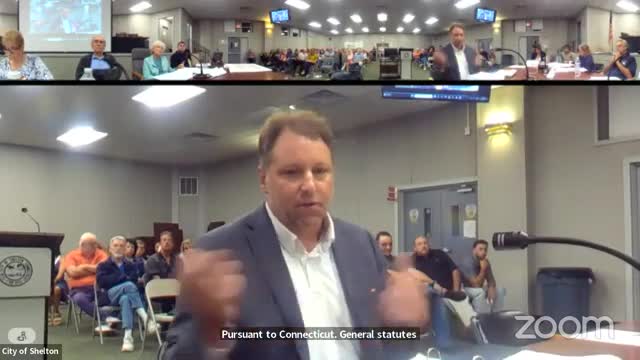
Key points of contention include the requirement that if 20% of property owners within 500 feet submit a protest petition, a super majority vote—four out of six votes—would be necessary for the zone change to pass. Residents are reportedly preparing to submit such petitions, indicating strong opposition to the proposed development.
The Hawkes Ridge community, consisting of 109 units managed by a homeowners association, has expressed a desire for responsible commercial development that mitigates traffic impacts and preserves natural resources. Concerns were raised about the proposed density of the development, which could result in 81% impervious area, potentially exacerbating traffic issues and negatively affecting local wetlands.
Commissioners discussed the importance of adhering to the comprehensive plan, which mandates that any zone change must align with the community's best interests. The existing zoning designation for the property is light industrial, and there is skepticism about whether the proposed commercial development meets the criteria for a PDD, particularly regarding its aesthetic and environmental impact.
The meeting highlighted the need for detailed traffic circulation plans and pedestrian pathways to ensure safety, especially given the proposal includes multiple drive-thrus. Residents fear that the development could lead to increased traffic congestion and diminished property values, as the new commercial structures would be visible from their homes.
As the commission deliberates on the proposal, the emphasis remains on balancing development needs with community concerns, ensuring that any changes align with established regulations and the long-term vision for the area. The outcome of this proposal will likely hinge on the residents' ability to mobilize against it and the commission's commitment to uphold the comprehensive plan's standards.
Don't Miss a Word: See the Full Meeting!
Go beyond summaries. Unlock every video, transcript, and key insight with a Founder Membership.
30-day money-back guarantee
Sponsors
Proudly supported by sponsors who keep Connecticut articles free in 2026

