Commission warns US unprepared for major global threats
September 18, 2024 | Armed Services: House Committee, Standing Committees - House & Senate, Congressional Hearings Compilation, Legislative, Federal
This article was created by AI summarizing key points discussed. AI makes mistakes, so for full details and context, please refer to the video of the full meeting. Please report any errors so we can fix them. Report an error »
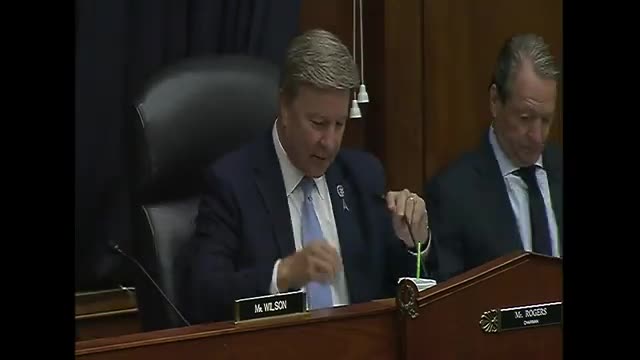
In a recent government meeting, officials gathered to discuss the findings of the commission on the National Defense Strategy, which presented a stark assessment of the United States' military readiness. The commission's report warns that the threats facing the nation are the most severe since 1945, highlighting the potential for a major conflict in the near term. It asserts that the U.S. is ill-prepared for such challenges, having last been adequately equipped for a significant military engagement during the Cold War.
Key concerns raised by the commission include the growing alliance among the U.S.'s four largest adversaries—China, Russia, Iran, and North Korea—and the inadequacy of the current national defense strategy, which was completed just two years ago. The report emphasizes that China has made substantial advancements in military modernization, effectively diminishing the U.S.'s military advantage in the Western Pacific.
To address these pressing issues, the commission advocates for a cultural shift within the Department of Defense (DOD) to overcome bureaucratic hurdles and expedite the acquisition of innovative military technologies. It also calls for a reevaluation of the current force sizing strategy, proposing a new framework that enables the U.S. to lead coalitions capable of simultaneously countering threats from both Russia and China.
Furthermore, the commission highlights the deterioration of the U.S. defense industrial base, urging for increased industrial capacity and enhanced partnerships with allies to share military responsibilities. A comprehensive approach that integrates military, diplomatic, and economic strategies is recommended to expand the network of allies and strengthen collective defense efforts.
The meeting underscored a consensus among officials regarding the urgency of these recommendations, signaling a potential shift in U.S. defense policy to better prepare for evolving global threats.
Key concerns raised by the commission include the growing alliance among the U.S.'s four largest adversaries—China, Russia, Iran, and North Korea—and the inadequacy of the current national defense strategy, which was completed just two years ago. The report emphasizes that China has made substantial advancements in military modernization, effectively diminishing the U.S.'s military advantage in the Western Pacific.
To address these pressing issues, the commission advocates for a cultural shift within the Department of Defense (DOD) to overcome bureaucratic hurdles and expedite the acquisition of innovative military technologies. It also calls for a reevaluation of the current force sizing strategy, proposing a new framework that enables the U.S. to lead coalitions capable of simultaneously countering threats from both Russia and China.
Furthermore, the commission highlights the deterioration of the U.S. defense industrial base, urging for increased industrial capacity and enhanced partnerships with allies to share military responsibilities. A comprehensive approach that integrates military, diplomatic, and economic strategies is recommended to expand the network of allies and strengthen collective defense efforts.
The meeting underscored a consensus among officials regarding the urgency of these recommendations, signaling a potential shift in U.S. defense policy to better prepare for evolving global threats.
View the Full Meeting & All Its Details
This article offers just a summary. Unlock complete video, transcripts, and insights as a Founder Member.
✓
Watch full, unedited meeting videos
✓
Search every word spoken in unlimited transcripts
✓
AI summaries & real-time alerts (all government levels)
✓
Permanent access to expanding government content
30-day money-back guarantee
