School Board Faces Backlash Over Religious Instruction Policy
September 25, 2024 | Westerville City (Regular School District), School Districts, Ohio
This article was created by AI summarizing key points discussed. AI makes mistakes, so for full details and context, please refer to the video of the full meeting. Please report any errors so we can fix them. Report an error »
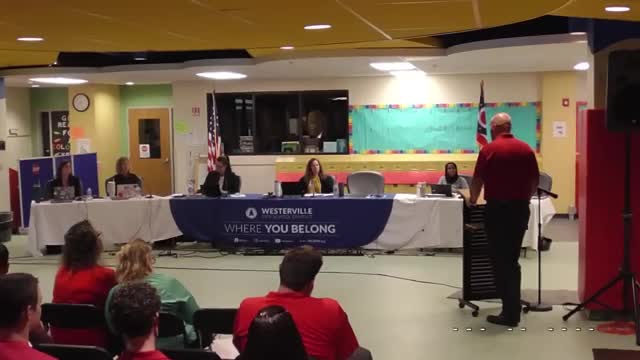
Supporters of the policy highlighted the program's two-year history and the employment it provides to local staff, warning that rescinding it would abruptly end jobs and educational opportunities for many families. They framed the decision as a matter of tolerance and inclusion, arguing that shutting down a religious program contradicts the values of diversity and respect.
Conversely, some parents voiced their support for rescinding the policy, citing concerns that the program fosters division rather than unity. One parent, whose child identifies as LGBTQIA, expressed that the program's teachings could be harmful, stating, \"It tells my child she's going to go to hell.\" This perspective underscored the ongoing debate about the role of religious instruction in public schools and its impact on inclusivity.
Another speaker, a founding member of LifeWise Academy, argued that the board's decision should prioritize constitutional rights, asserting that release time for religious education is a protected right. He cautioned that failing to uphold the policy could lead to legal challenges and discrimination claims against the district.
As the board deliberates on this contentious issue, the community remains divided, reflecting broader national conversations about the intersection of education, religion, and inclusivity in public schools. The outcome of this decision could have significant implications for the district's policies and the families it serves.
View the Full Meeting & All Its Details
This article offers just a summary. Unlock complete video, transcripts, and insights as a Founder Member.
30-day money-back guarantee
Sponsors
Proudly supported by sponsors who keep Ohio articles free in 2026

