HUD Faces Accountability Crisis Amid Multifamily Housing Complaints
September 18, 2024 | Appropriations: House Committee, Standing Committees - House & Senate, Congressional Hearings Compilation, Legislative, Federal
This article was created by AI summarizing key points discussed. AI makes mistakes, so for full details and context, please refer to the video of the full meeting. Please report any errors so we can fix them. Report an error »
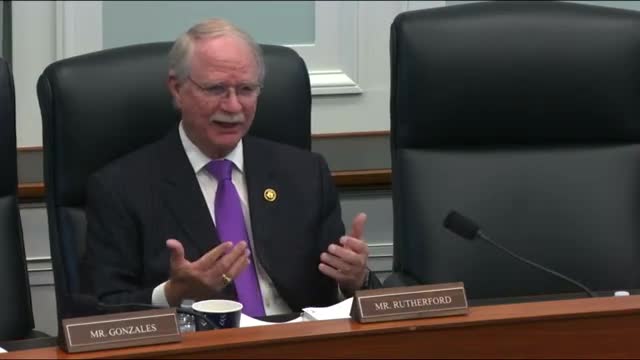
In a recent government meeting, officials discussed pressing issues surrounding the Department of Housing and Urban Development (HUD) and its capacity to address multifamily housing complaints effectively. Concerns were raised about the department's ability to manage life-threatening findings related to housing conditions, with calls for improved communication between HUD's Real Estate Assessment Center (REAC) and local code enforcement agencies.
The dialogue highlighted the ongoing challenges HUD faces, particularly regarding its decentralized structure and the struggle for accountability within its programs. Officials acknowledged that while REAC inspections have traditionally been limited to a sample of properties, the introduction of the NSPIRE initiative aims to enhance the focus on tenant health and safety. However, the timeline for compliance with NSPIRE is set for October 2025, leaving many questions about immediate improvements.
Capacity issues within HUD were a recurring theme, with officials admitting that the department is currently unable to conduct comprehensive inspections across all properties. The need for landlords to perform annual self-inspections was emphasized as a critical measure to mitigate risks associated with inadequate oversight.
Additionally, discussions turned to the importance of ensuring that disadvantaged and community-based businesses receive equitable access to contracts and employment opportunities in HUD-related projects. Officials were urged to provide updates on progress toward these goals, particularly in light of the Justice 40 initiative, which aims to direct resources to underserved communities.
The meeting also touched on operational challenges faced by Amtrak, particularly during a recent shutdown in the Northeast Corridor. Factors contributing to the delays included equipment failures and interoperability issues between railroads, exacerbated by extreme weather conditions.
As the meeting concluded, officials committed to further assessments and follow-ups on these critical issues, underscoring the need for ongoing scrutiny and improvement within HUD and related agencies.
The dialogue highlighted the ongoing challenges HUD faces, particularly regarding its decentralized structure and the struggle for accountability within its programs. Officials acknowledged that while REAC inspections have traditionally been limited to a sample of properties, the introduction of the NSPIRE initiative aims to enhance the focus on tenant health and safety. However, the timeline for compliance with NSPIRE is set for October 2025, leaving many questions about immediate improvements.
Capacity issues within HUD were a recurring theme, with officials admitting that the department is currently unable to conduct comprehensive inspections across all properties. The need for landlords to perform annual self-inspections was emphasized as a critical measure to mitigate risks associated with inadequate oversight.
Additionally, discussions turned to the importance of ensuring that disadvantaged and community-based businesses receive equitable access to contracts and employment opportunities in HUD-related projects. Officials were urged to provide updates on progress toward these goals, particularly in light of the Justice 40 initiative, which aims to direct resources to underserved communities.
The meeting also touched on operational challenges faced by Amtrak, particularly during a recent shutdown in the Northeast Corridor. Factors contributing to the delays included equipment failures and interoperability issues between railroads, exacerbated by extreme weather conditions.
As the meeting concluded, officials committed to further assessments and follow-ups on these critical issues, underscoring the need for ongoing scrutiny and improvement within HUD and related agencies.
Don't Miss a Word: See the Full Meeting!
Go beyond summaries. Unlock every video, transcript, and key insight with a Founder Membership.
✓
Get instant access to full meeting videos
✓
Search and clip any phrase from complete transcripts
✓
Receive AI-powered summaries & custom alerts
✓
Enjoy lifetime, unrestricted access to government data
30-day money-back guarantee
