Debate ignites over cell phone policies in schools
September 13, 2024 | WORTHINGTON PUBLIC SCHOOL DISTRICT, School Boards, Minnesota
This article was created by AI summarizing key points discussed. AI makes mistakes, so for full details and context, please refer to the video of the full meeting. Please report any errors so we can fix them. Report an error »
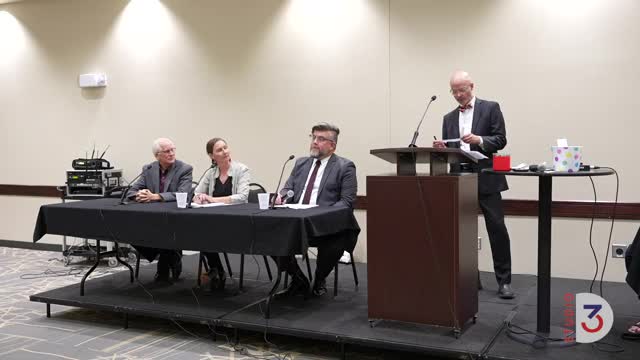
One participant raised concerns about the impact of cell phones in educational settings, suggesting that they can be distracting. This individual shared their experience with a \"cell phone bucket\" policy during rehearsals, where students are required to place their phones in a designated area until the session concludes. This approach aims to minimize distractions and enhance focus during learning activities.
The conversation also touched on the effectiveness of e-learning days, with one speaker emphasizing that their success largely depends on teachers' preparedness, access to technology, and the availability of resources such as WiFi and charging stations. While acknowledging the lack of concrete data on the effectiveness of e-learning, they noted that various factors contribute to its success beyond initial appearances.
Another participant shared their positive experience with a strict zero-cell phone policy at Pipestone, expressing support for such measures as beneficial for maintaining an effective learning environment.
The meeting underscored the need for clear policies regarding electronic devices in schools, as well as a deeper understanding of the challenges and opportunities presented by e-learning initiatives.
View the Full Meeting & All Its Details
This article offers just a summary. Unlock complete video, transcripts, and insights as a Founder Member.
30-day money-back guarantee
Sponsors
Proudly supported by sponsors who keep Minnesota articles free in 2026

