Educators clash over cell phone policies and e-learning effectiveness
September 13, 2024 | WORTHINGTON PUBLIC SCHOOL DISTRICT, School Boards, Minnesota
This article was created by AI summarizing key points discussed. AI makes mistakes, so for full details and context, please refer to the video of the full meeting. Please report any errors so we can fix them. Report an error »
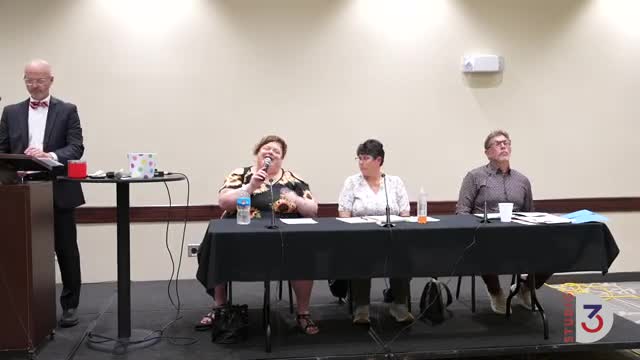
Pat Whitcomb emphasized the need for a unified approach among teachers to enforce a more stringent cell phone policy, citing concerns about the negative effects of phones on younger students. He expressed support for a policy that would require phones to be left outside the classroom, suggesting that such measures could alleviate many issues related to student focus.
Conversely, Anne Mills shared her experience using cell phones as educational tools in high school settings, arguing that they can enhance engagement when used appropriately. She noted that students must face consequences for their choices regarding phone usage, reinforcing the idea that accountability is crucial in managing distractions.
The discussion also touched on e-learning days, with several educators acknowledging their effectiveness in certain contexts. Steve Shear pointed out that e-learning provides valuable opportunities for students to catch up on missed classes and earn credits. However, he cautioned that this approach may not suit every student, highlighting the need for tailored educational strategies.
Carla Hagar added to the conversation by sharing her personal challenges with e-learning, indicating that not all students thrive in that environment. The consensus among educators was that while e-learning can be beneficial, it requires careful implementation and consideration of individual learning styles.
Overall, the meeting underscored the complexities of integrating technology in education, with a clear call for policies that balance the benefits of digital tools with the need for focused learning environments.
View the Full Meeting & All Its Details
This article offers just a summary. Unlock complete video, transcripts, and insights as a Founder Member.
30-day money-back guarantee
Sponsors
Proudly supported by sponsors who keep Minnesota articles free in 2026

