County Council Faces Pressure Over Court Staff Funding Crisis
September 13, 2024 | Delaware County, Indiana
This article was created by AI summarizing key points discussed. AI makes mistakes, so for full details and context, please refer to the video of the full meeting. Please report any errors so we can fix them. Report an error »
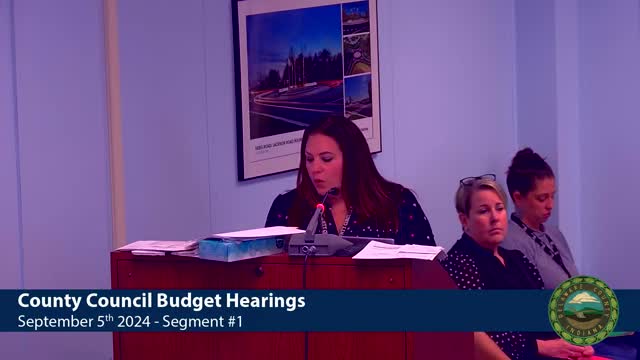
The conversation highlighted the complexities of budget management, with council members debating the merits of cutting existing positions versus raising taxes to meet salary demands. One council member suggested that significant cuts could be made across the board to alleviate financial pressures without resorting to tax increases. However, the department head countered that their department had already made substantial cuts since 2008 and was operating with a significantly reduced staff, which was impacting service delivery.
The dialogue also touched on the challenges of recruitment and retention in the judicial sector, with concerns raised about the ability to maintain operational efficiency with current staffing levels. The department head warned that without adequate compensation, experienced employees might leave for better-paying opportunities, further straining the system.
Council members acknowledged the need for a balanced approach, recognizing that while budget cuts are necessary, they must not compromise the quality of public service. The meeting underscored the ongoing struggle between fiscal responsibility and the need to adequately compensate public employees, particularly in critical roles like those within the judicial system. As discussions continue, the council faces the challenge of finding a sustainable solution that addresses both budgetary constraints and employee needs.
View the Full Meeting & All Its Details
This article offers just a summary. Unlock complete video, transcripts, and insights as a Founder Member.
30-day money-back guarantee
Sponsors
Proudly supported by sponsors who keep Indiana articles free in 2026

