New facility plans spark debate over educational space needs
September 25, 2024 | SHENANDOAH CO PBLC SCHS, School Districts, Virginia
This article was created by AI summarizing key points discussed. AI makes mistakes, so for full details and context, please refer to the video of the full meeting. Please report any errors so we can fix them. Report an error »
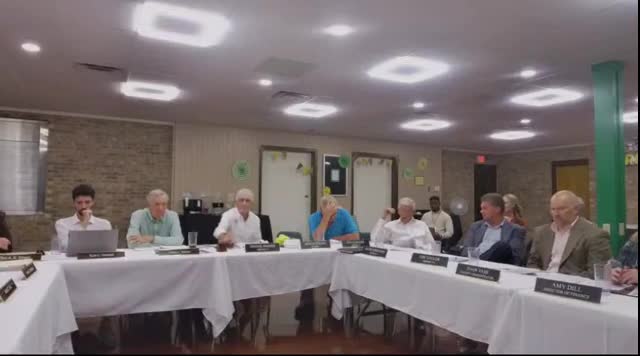
The conversation highlighted the potential for utilizing available low base spaces for programs like aviation and machine learning, which do not require high ceilings. However, the consensus was that the lack of high base space remains a critical barrier to growth. Officials expressed concern about the implications of displacing students during renovation periods, which could last up to five years, and the long-term viability of the facilities, noting that future expansions may not be feasible.
Proposals for new facilities were also discussed, with estimates around $60 million for a new center designed to meet current and future educational needs. Examples of successful Career and Technical Education (CTE) centers from other regions were presented, showcasing modern designs that incorporate flexible spaces for various programs. One such center, recently constructed in Roanoke County, was highlighted for its ample site space and functional layout, which allows for future expansion.
The meeting underscored the urgency of addressing the infrastructure challenges facing vocational education, emphasizing the need for strategic planning to ensure that facilities can adequately support the evolving demands of students and the workforce.
View the Full Meeting & All Its Details
This article offers just a summary. Unlock complete video, transcripts, and insights as a Founder Member.
30-day money-back guarantee
Sponsors
Proudly supported by sponsors who keep Virginia articles free in 2026

