Cleanup Success Transforms Polluted Site into Economic Opportunity
September 13, 2024 | Fairfield, Fairfield, Connecticut
This article was created by AI summarizing key points discussed. AI makes mistakes, so for full details and context, please refer to the video of the full meeting. Please report any errors so we can fix them. Report an error »
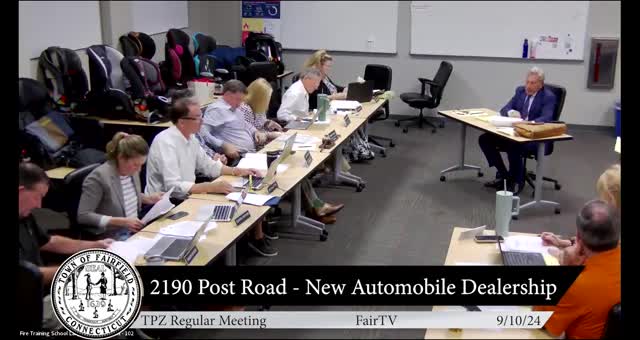
The remediation efforts, praised by stakeholders including local committees and elected officials, resulted in the site being cleaned to residential standards, a significant achievement for an area with such a troubled history. DEEP issued a completion certificate in 2020, confirming that no further remediation was necessary and releasing the site from financial assurance and liability requirements.
The meeting also introduced plans for a new commercial development on the site, which is expected to generate substantial tax revenue and create jobs. The proposed project includes a 49,000 square foot building with a significant public access area along the river, which will be dedicated to passive recreation. The development is designed to comply with coastal area management requirements, including the installation of stormwater management systems to protect the Mill River from runoff pollution.
Concerns were raised regarding public access to the waterfront, with discussions about the safety and usability of the area. The public access will be open from 7 AM to 7 PM, allowing for passive recreational activities, although active uses such as swimming or boating will not be permitted initially due to liability considerations.
Overall, the meeting highlighted a collaborative effort to transform a previously hazardous site into a valuable community asset, balancing environmental restoration with economic development.
View the Full Meeting & All Its Details
This article offers just a summary. Unlock complete video, transcripts, and insights as a Founder Member.
30-day money-back guarantee
Sponsors
Proudly supported by sponsors who keep Connecticut articles free in 2026

