NAACP condemns redistricting changes as misleading and harmful
October 04, 2024 | Lane County, Oregon
This article was created by AI summarizing key points discussed. AI makes mistakes, so for full details and context, please refer to the video of the full meeting. Please report any errors so we can fix them. Report an error »
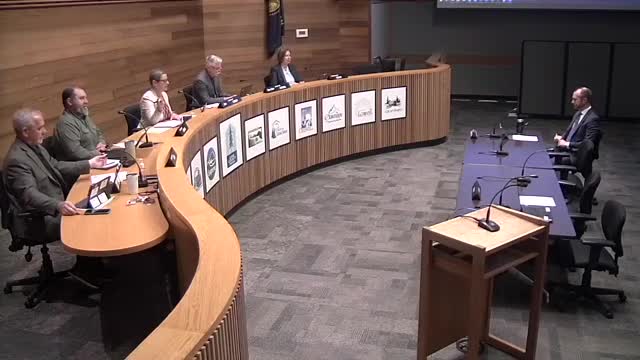
Charles highlighted troubling aspects of the proposal, including the involvement of a key proponent who had previously sought to defund county equity initiatives. This raised alarms about the potential negative impact on marginalized communities. The proposed changes include a modified version of a statewide initiative and a controversial boundary adjustment that could politicize the redistricting process, contrary to its stated goal of reducing partisanship. The NAACP called for a transparent, nonpartisan approach that reflects the needs of all Lane County residents and demanded an end to any misuse of their name by public officials.
In addition to the NAACP's comments, Jim Belknap, a land use consultant, addressed the F2 zoning issue, emphasizing that it affects not only large landowners but also individuals like an elderly widow he represents, who is unable to build on her property due to current zoning restrictions. He urged commissioners to consider the implications of their decisions on residents in similar situations.
David Igel raised concerns about misinformation being spread by individuals regarding Eugene's history, specifically targeting a local activist. He criticized the portrayal of historical events and accused public officials of promoting divisive narratives. Igel's comments reflect ongoing tensions surrounding historical representation and community identity in Eugene.
The meeting underscored significant community concerns regarding governance, representation, and the impact of policy changes on vulnerable populations. The discussions highlighted the need for accountability and transparency in local government actions.
Don't Miss a Word: See the Full Meeting!
Go beyond summaries. Unlock every video, transcript, and key insight with a Founder Membership.
30-day money-back guarantee
Sponsors
Proudly supported by sponsors who keep Oregon articles free in 2026

