Governor faces backlash over Prop 36 budget deficit concerns
October 04, 2024 | Office of the Governor, Other State Agencies, Executive, California
This article was created by AI summarizing key points discussed. AI makes mistakes, so for full details and context, please refer to the video of the full meeting. Please report any errors so we can fix them. Report an error »
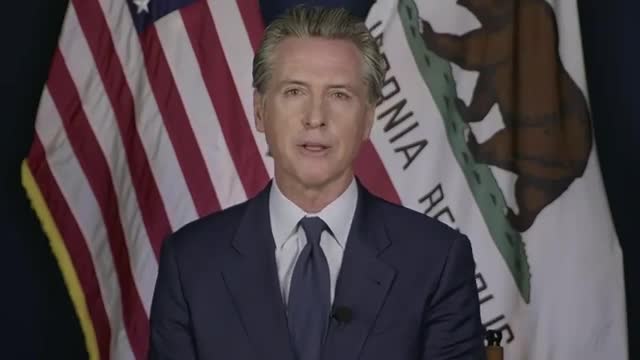
Governor Gavin Newsom expressed skepticism about the initiative, highlighting that it could exacerbate the state's budget deficit by nearly $12 billion. He emphasized the need for a comprehensive treatment plan, warning that without adequate funding for new treatment programs, the state could face escalating costs associated with incarceration.
The meeting also touched on accountability regarding the use of funds allocated for homelessness initiatives. Questions were raised about the administration's transparency and effectiveness in demonstrating how taxpayer money is being utilized. In response, officials assured that future funding would be tied to measurable outcomes, aiming to enhance accountability and ensure that resources are directed towards programs that deliver results.
As California approaches the implementation of the Behavioral Health Service Act in 2026, officials reiterated their commitment to performance-based funding, which would incentivize local governments to achieve tangible results in addressing homelessness and mental health challenges. The conversation underscored the ongoing struggle to balance public opinion, fiscal responsibility, and effective governance in tackling some of the state's most pressing issues.
View the Full Meeting & All Its Details
This article offers just a summary. Unlock complete video, transcripts, and insights as a Founder Member.
30-day money-back guarantee
Sponsors
Proudly supported by sponsors who keep California articles free in 2026

