Escalating conflict as Israel and Iran exchange deadly strikes
This article was created by AI summarizing key points discussed. AI makes mistakes, so for full details and context, please refer to the video of the full meeting. Please report any errors so we can fix them. Report an error »
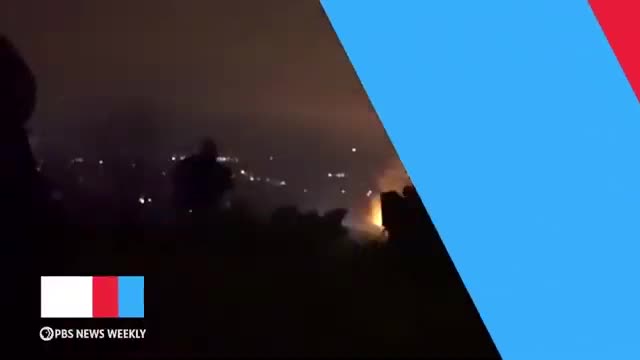
In a rapidly escalating conflict, Israel has intensified its military operations in Lebanon, marking its first ground incursion into the country in nearly two decades. This comes in response to a significant missile attack from Iran, which launched at least 180 ballistic missiles targeting Israel. While Israeli air defenses reportedly intercepted most of these missiles, Israeli officials, including Prime Minister Benjamin Netanyahu, have vowed a decisive response, labeling Iran's actions as a \"big mistake.\"
The situation remains dire in both Israel and Lebanon. In Gaza, Israeli airstrikes have resulted in the deaths of 70 individuals in just one day, with the Israeli government asserting that it is targeting Hamas military infrastructure. However, the civilian toll is rising, with heartbreaking accounts emerging from families affected by the violence. The conflict has claimed over 1,000 lives in Lebanon in the past ten days alone, according to the Lebanese health ministry.
Reports from Beirut describe a city on edge, with residents living in constant fear of airstrikes. A recent attack struck a medical center, killing seven paramedics and injuring others, raising concerns about the targeting of medical facilities, which is prohibited under international law. The Lebanese Red Cross has also reported injuries among its staff, highlighting the perilous conditions for medical personnel amid the ongoing violence.
As the U.S. government seeks to mediate and prevent further escalation, officials emphasize the need for Israel's response to be proportionate to avoid provoking additional Iranian missile attacks. The complexities of the conflict are underscored by the intertwining of Hezbollah's military operations with its role in Lebanon's social services, complicating the humanitarian landscape as the war continues to unfold.
The situation remains dire in both Israel and Lebanon. In Gaza, Israeli airstrikes have resulted in the deaths of 70 individuals in just one day, with the Israeli government asserting that it is targeting Hamas military infrastructure. However, the civilian toll is rising, with heartbreaking accounts emerging from families affected by the violence. The conflict has claimed over 1,000 lives in Lebanon in the past ten days alone, according to the Lebanese health ministry.
Reports from Beirut describe a city on edge, with residents living in constant fear of airstrikes. A recent attack struck a medical center, killing seven paramedics and injuring others, raising concerns about the targeting of medical facilities, which is prohibited under international law. The Lebanese Red Cross has also reported injuries among its staff, highlighting the perilous conditions for medical personnel amid the ongoing violence.
As the U.S. government seeks to mediate and prevent further escalation, officials emphasize the need for Israel's response to be proportionate to avoid provoking additional Iranian missile attacks. The complexities of the conflict are underscored by the intertwining of Hezbollah's military operations with its role in Lebanon's social services, complicating the humanitarian landscape as the war continues to unfold.
Don't Miss a Word: See the Full Meeting!
Go beyond summaries. Unlock every video, transcript, and key insight with a Founder Membership.
✓
Get instant access to full meeting videos
✓
Search and clip any phrase from complete transcripts
✓
Receive AI-powered summaries & custom alerts
✓
Enjoy lifetime, unrestricted access to government data
30-day money-back guarantee
