Experts warn of rising risks in climate migration decisions
This article was created by AI summarizing key points discussed. AI makes mistakes, so for full details and context, please refer to the video of the full meeting. Please report any errors so we can fix them. Report an error »
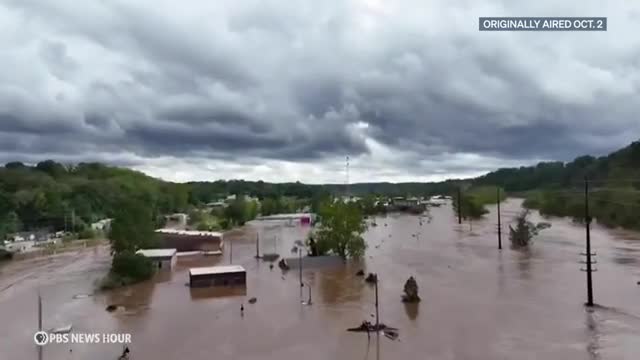
In a recent government meeting, officials discussed the alarming trend of individuals moving into increasingly risky areas, often without realizing the dangers posed by climate change and other ecological threats. Experts emphasized the importance of utilizing resources such as FEMA risk maps to make informed decisions about relocation, urging individuals to assess not only environmental risks but also the resilience of their communities and local governments.
The conversation highlighted the critical role of government in addressing these challenges. Participants argued that rebuilding efforts in disaster-prone coastal areas send a misleading message that it is safe to return, despite repeated storm damage. They called for a more proactive approach to climate change, advocating for reduced emissions and a nationwide strategy to support at-risk populations in relocating to safer areas.
The discussion also touched on the need for difficult decisions regarding which locations can be defended against climate impacts and which may be beyond saving. Currently, there is a consensus that resources are not being allocated effectively, with local leaders often prioritizing short-term economic gains over long-term safety concerns.
As climate change continues to manifest in immediate and local ways, the meeting underscored the urgency for individuals and governments alike to recognize their roles in mitigating risks and adapting to the realities of a changing environment.
The conversation highlighted the critical role of government in addressing these challenges. Participants argued that rebuilding efforts in disaster-prone coastal areas send a misleading message that it is safe to return, despite repeated storm damage. They called for a more proactive approach to climate change, advocating for reduced emissions and a nationwide strategy to support at-risk populations in relocating to safer areas.
The discussion also touched on the need for difficult decisions regarding which locations can be defended against climate impacts and which may be beyond saving. Currently, there is a consensus that resources are not being allocated effectively, with local leaders often prioritizing short-term economic gains over long-term safety concerns.
As climate change continues to manifest in immediate and local ways, the meeting underscored the urgency for individuals and governments alike to recognize their roles in mitigating risks and adapting to the realities of a changing environment.
View the Full Meeting & All Its Details
This article offers just a summary. Unlock complete video, transcripts, and insights as a Founder Member.
✓
Watch full, unedited meeting videos
✓
Search every word spoken in unlimited transcripts
✓
AI summaries & real-time alerts (all government levels)
✓
Permanent access to expanding government content
30-day money-back guarantee
