Teachers face overwhelming workloads amid staffing challenges
October 04, 2024 | JUDSON ISD, School Districts, Texas
This article was created by AI summarizing key points discussed. AI makes mistakes, so for full details and context, please refer to the video of the full meeting. Please report any errors so we can fix them. Report an error »
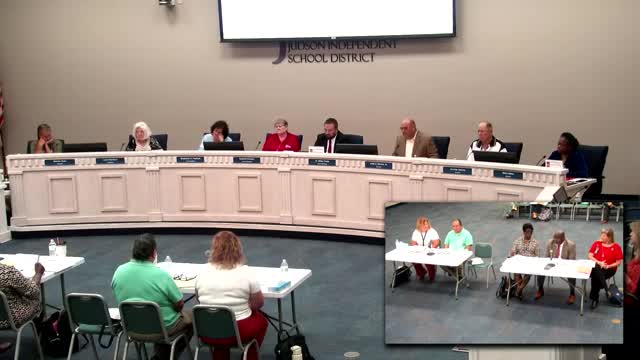
Concerns were raised about equity in teaching assignments, especially when one teacher is responsible for multiple preps while others have fewer. Teachers at Veterans Memorial reported having to stack classes due to low enrollment, which complicates lesson planning and increases workload. For instance, one teacher mentioned managing six different preps, which is not uncommon given the smaller class sizes at their campus.
The discussion also touched on the impact of class sizes on educational quality. Teachers expressed that smaller classes sometimes lead to challenges in offering diverse programs, as they struggle to maintain sufficient enrollment to justify separate classes. This situation has led to innovative teaching strategies, where advanced students assist their peers, but it raises questions about the effectiveness of such arrangements.
Moreover, the meeting addressed the need for a more equitable distribution of teaching responsibilities. Some teachers are tasked with subjects outside their primary expertise, such as theater, which they feel detracts from their ability to focus on their core subjects like journalism and media. The administration acknowledged the unexpected nature of staffing changes and emphasized the importance of prioritizing student pathways and graduation readiness.
Overall, the meeting underscored the complexities of balancing teacher workloads, student needs, and program viability in a fluctuating educational landscape. The administration is committed to finding solutions that support both teachers and students while ensuring equitable practices across the district.
View the Full Meeting & All Its Details
This article offers just a summary. Unlock complete video, transcripts, and insights as a Founder Member.
30-day money-back guarantee
Sponsors
Proudly supported by sponsors who keep Texas articles free in 2026

