Parents Demand Change as MCAS Testing Stresses Students
August 10, 2024 | Longmeadow Public Schools, School Boards, Massachusetts
This article was created by AI summarizing key points discussed. AI makes mistakes, so for full details and context, please refer to the video of the full meeting. Please report any errors so we can fix them. Report an error »
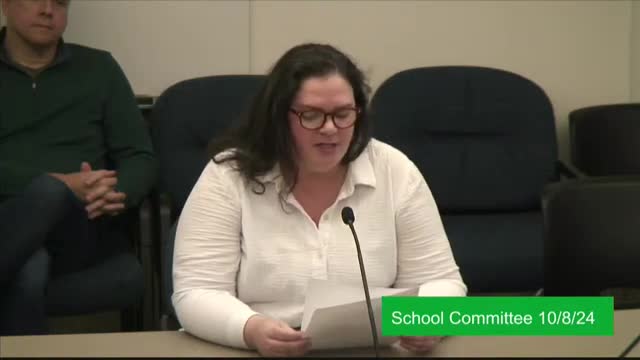
The speaker emphasized that despite passing their classes, students could still be denied diplomas based solely on their MCAS performance, a situation that contrasts sharply with neighboring states like Connecticut. The current high-stakes testing environment was described as unfair and not reflective of a student's true capabilities, with the parent likening the testing process to asking a diverse group of animals to climb a tree—an impossible task for many.
The meeting also featured a presentation by Curriculum Director Dr. Beth Nelson, who acknowledged the limitations of the MCAS as a singular measure of student success. She emphasized the importance of recognizing multiple ways to assess student achievement, suggesting that the MCAS should not be the sole determinant of a student's educational journey.
The discussions underscored a growing concern among parents and educators regarding the reliance on standardized testing and its impact on students' mental health and educational outcomes. The call for reform reflects a broader movement towards more inclusive and equitable assessment practices in Massachusetts schools.
Don't Miss a Word: See the Full Meeting!
Go beyond summaries. Unlock every video, transcript, and key insight with a Founder Membership.
30-day money-back guarantee
Sponsors
Proudly supported by sponsors who keep Massachusetts articles free in 2026

