City Council Faces Traffic Crisis Amid Housing Development Plans
September 05, 2024 | Kaysville City Council, Kaysville, Davis County, Utah
This article was created by AI summarizing key points discussed. AI makes mistakes, so for full details and context, please refer to the video of the full meeting. Please report any errors so we can fix them. Report an error »
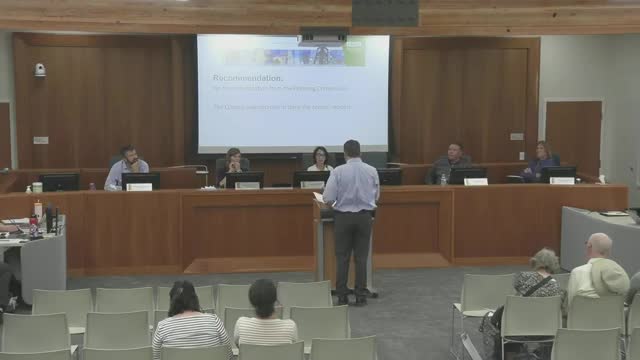
One council member highlighted the urgency of addressing the housing crisis in Utah, referencing state mandates set to take effect on May 1, which include a $20,000 incentive for first-time homebuyers. The member emphasized the necessity for new construction to be priced below $450,000, suggesting that shared wall designs, such as duplexes, may be essential to meet these affordability targets. However, they noted a lack of such developments in West Kaysville, where most existing homes are single-family dwellings on larger lots.
The conversation also touched on the Shepherd Lane extension, which has received grant funding but currently serves as a \"road to nowhere.\" The council discussed the need for improved traffic management in the area, particularly as residents increasingly use the Farmington 950 North exit to access the new Davis Highway. Concerns were raised about existing barriers that limit traffic flow and the potential for future road connections to alleviate congestion.
Council members acknowledged the challenges posed by the agricultural access designation of certain parcels, which complicates future development and road planning. They reiterated confidence in city staff's ability to manage traffic safety and development processes effectively.
Overall, the meeting underscored the balancing act between accommodating growth, maintaining community safety, and ensuring housing affordability in West Kaysville.
Don't Miss a Word: See the Full Meeting!
Go beyond summaries. Unlock every video, transcript, and key insight with a Founder Membership.
30-day money-back guarantee
Sponsors
Proudly supported by sponsors who keep Utah articles free in 2026

