Congress Faces Urgent Call to Combat Federal Fraud
September 10, 2024 | Oversight and Reform: House Committee, Standing Committees - House & Senate, Congressional Hearings Compilation, Legislative, Federal
This article was created by AI summarizing key points discussed. AI makes mistakes, so for full details and context, please refer to the video of the full meeting. Please report any errors so we can fix them. Report an error »
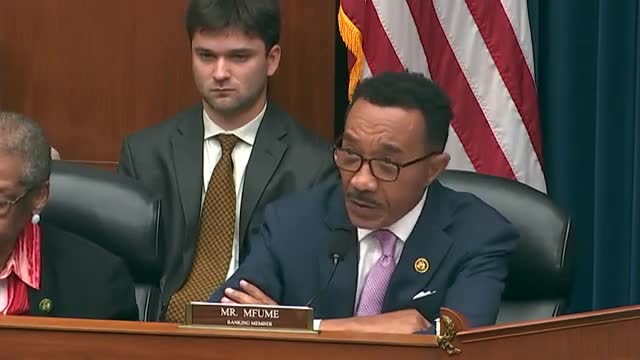
In a recent congressional meeting, lawmakers expressed deep concerns over persistent issues of fraud within federal programs, emphasizing the need for immediate action and accountability. The discussions highlighted a sense of urgency, with one member reflecting on the 37 years since the problem first emerged, noting that despite efforts, the situation remains largely unchanged.
Key testimonies from panelists underscored the importance of data access and prevention strategies as critical components in combating fraud. Inspector General Horowitz pointed out that agencies require better data tools to enhance program integrity and prevent fraudulent activities. Similarly, panelist Brown stressed that prevention should be a priority for agencies, arguing that upfront controls are essential to their core missions.
Miller echoed these sentiments, calling for a reevaluation of incentives within agencies to prioritize fraud prevention. She highlighted the disparity in public response to benefit delays versus fraud, suggesting that agency leaders often overlook fraud issues because they do not receive immediate complaints from constituents.
The meeting also revealed a disconnect between policymakers and the public, with Congressman Higgins sharing frustrations voiced by constituents during town halls. He noted that many Americans feel neglected and burdened by financial struggles, exacerbated by perceived inefficiencies and fraud in government programs, which he estimated could amount to billions of dollars.
As discussions continue, lawmakers are urged to prioritize these issues, ensuring that fraud prevention becomes a central focus in legislative efforts moving forward. The call for accountability and effective measures reflects a growing recognition of the need to address the concerns of American citizens who feel their struggles are not being adequately addressed by those in power.
Key testimonies from panelists underscored the importance of data access and prevention strategies as critical components in combating fraud. Inspector General Horowitz pointed out that agencies require better data tools to enhance program integrity and prevent fraudulent activities. Similarly, panelist Brown stressed that prevention should be a priority for agencies, arguing that upfront controls are essential to their core missions.
Miller echoed these sentiments, calling for a reevaluation of incentives within agencies to prioritize fraud prevention. She highlighted the disparity in public response to benefit delays versus fraud, suggesting that agency leaders often overlook fraud issues because they do not receive immediate complaints from constituents.
The meeting also revealed a disconnect between policymakers and the public, with Congressman Higgins sharing frustrations voiced by constituents during town halls. He noted that many Americans feel neglected and burdened by financial struggles, exacerbated by perceived inefficiencies and fraud in government programs, which he estimated could amount to billions of dollars.
As discussions continue, lawmakers are urged to prioritize these issues, ensuring that fraud prevention becomes a central focus in legislative efforts moving forward. The call for accountability and effective measures reflects a growing recognition of the need to address the concerns of American citizens who feel their struggles are not being adequately addressed by those in power.
View the Full Meeting & All Its Details
This article offers just a summary. Unlock complete video, transcripts, and insights as a Founder Member.
✓
Watch full, unedited meeting videos
✓
Search every word spoken in unlimited transcripts
✓
AI summaries & real-time alerts (all government levels)
✓
Permanent access to expanding government content
30-day money-back guarantee
