Housing Crisis Deepens as Maui Faces Recovery Challenges
September 04, 2024 | Oversight and Reform: House Committee, Standing Committees - House & Senate, Congressional Hearings Compilation, Legislative, Federal
This article was created by AI summarizing key points discussed. AI makes mistakes, so for full details and context, please refer to the video of the full meeting. Please report any errors so we can fix them. Report an error »
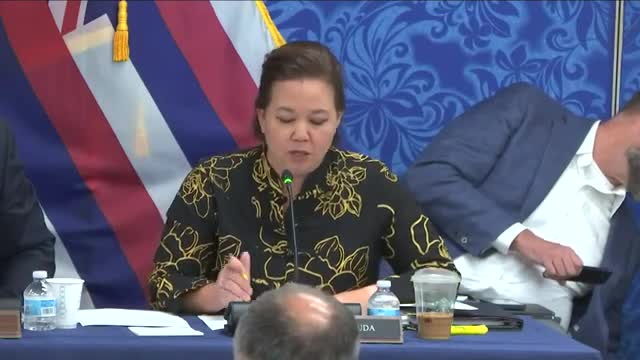
In a recent government meeting, officials discussed the ongoing housing crisis in Maui, exacerbated by the displacement of thousands of residents following a significant disaster. The majority of those affected are renters, many of whom are living in overcrowded conditions. The meeting highlighted a joint decision by FEMA, the state governor, and the mayor to utilize short-term vacation rentals as a temporary housing solution for displaced individuals.
Mayor Bisson expressed concerns about the unintended consequences of this approach, noting that it has negatively impacted the broader housing market and led to reports of predatory behavior by landlords seeking to capitalize on FEMA's Direct Lease program. This has resulted in the displacement of current residents as landlords increase rents to attract government funding.
Mr. Fenton, a key official in the discussion, defended the decision to target vacation rentals, stating that it was the most viable option given the urgent need for housing and the limited availability of other resources. He acknowledged that while there have been some issues, the speed of implementation was crucial, and the vacation rental market provided the quickest access to necessary units. Fenton also suggested that future strategies should involve better management of local regulations and explore alternative housing solutions that require less infrastructure.
The meeting also addressed the pressing issue of funding restrictions imposed by FEMA, which are currently hindering long-term recovery efforts. Fenton warned that without resolution of the Disaster Relief Fund (DRF) shortfall, the rebuilding of critical infrastructure would be delayed, further complicating recovery efforts in Maui.
Congressman Case emphasized the need for a tailored approach to housing recovery that considers the unique challenges of the local environment, contrasting FEMA's traditional methods with the specific needs of Maui's residents. He confirmed that approximately 4,300 households were eligible for transitional housing, but only about 1,300 had requested assistance, highlighting a gap in outreach and support.
The discussions underscored the urgent need for effective housing solutions and the importance of addressing the challenges posed by funding limitations and market dynamics in the recovery process. The officials agreed on the necessity of a comprehensive review of the situation to develop better strategies for future disaster responses.
Mayor Bisson expressed concerns about the unintended consequences of this approach, noting that it has negatively impacted the broader housing market and led to reports of predatory behavior by landlords seeking to capitalize on FEMA's Direct Lease program. This has resulted in the displacement of current residents as landlords increase rents to attract government funding.
Mr. Fenton, a key official in the discussion, defended the decision to target vacation rentals, stating that it was the most viable option given the urgent need for housing and the limited availability of other resources. He acknowledged that while there have been some issues, the speed of implementation was crucial, and the vacation rental market provided the quickest access to necessary units. Fenton also suggested that future strategies should involve better management of local regulations and explore alternative housing solutions that require less infrastructure.
The meeting also addressed the pressing issue of funding restrictions imposed by FEMA, which are currently hindering long-term recovery efforts. Fenton warned that without resolution of the Disaster Relief Fund (DRF) shortfall, the rebuilding of critical infrastructure would be delayed, further complicating recovery efforts in Maui.
Congressman Case emphasized the need for a tailored approach to housing recovery that considers the unique challenges of the local environment, contrasting FEMA's traditional methods with the specific needs of Maui's residents. He confirmed that approximately 4,300 households were eligible for transitional housing, but only about 1,300 had requested assistance, highlighting a gap in outreach and support.
The discussions underscored the urgent need for effective housing solutions and the importance of addressing the challenges posed by funding limitations and market dynamics in the recovery process. The officials agreed on the necessity of a comprehensive review of the situation to develop better strategies for future disaster responses.
View the Full Meeting & All Its Details
This article offers just a summary. Unlock complete video, transcripts, and insights as a Founder Member.
✓
Watch full, unedited meeting videos
✓
Search every word spoken in unlimited transcripts
✓
AI summaries & real-time alerts (all government levels)
✓
Permanent access to expanding government content
30-day money-back guarantee
