Lawmakers clash over urgent energy permitting reforms
September 11, 2024 | Natural Resources: House Committee, Standing Committees - House & Senate, Congressional Hearings Compilation, Legislative, Federal
This article was created by AI summarizing key points discussed. AI makes mistakes, so for full details and context, please refer to the video of the full meeting. Please report any errors so we can fix them. Report an error »
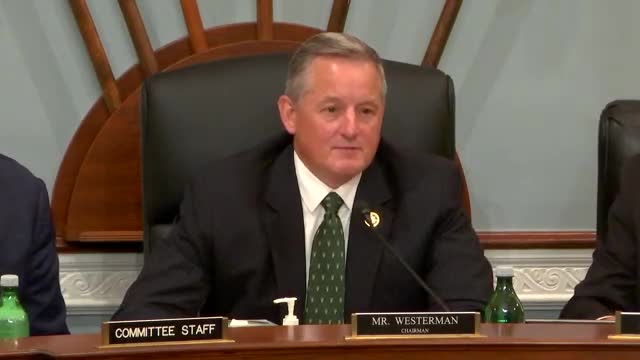
In a recent government meeting, officials emphasized the urgent need for energy and permitting reform, highlighting its broad implications for infrastructure, forestry, and mining. The discussion centered around the National Environmental Policy Act (NEPA), which was originally designed to ensure informed decision-making regarding environmental impacts of federal actions. However, participants argued that NEPA has evolved into a significant barrier to essential infrastructure and energy projects, causing delays and escalating costs.
One official noted that while substantial funding has been allocated for renewable energy projects, many are currently stalled due to permitting issues, often more so than traditional energy projects. This has sparked a call for a more efficient permitting system that can facilitate the construction and production of energy domestically, thereby reducing reliance on foreign nations with lax environmental regulations.
The meeting also addressed the rising demand for electricity, which is projected to increase by nearly 5% by 2028 compared to 2023 levels, marking the highest growth rate since the 1990s. This surge in demand underscores the necessity for reform to meet both conventional and renewable energy needs.
The proposed discussion draft aims to tackle these challenges and enhance American infrastructure and competitiveness through streamlined permitting processes. As the debate continues, officials anticipate a vigorous discussion on how best to balance environmental considerations with the urgent need for energy development.
One official noted that while substantial funding has been allocated for renewable energy projects, many are currently stalled due to permitting issues, often more so than traditional energy projects. This has sparked a call for a more efficient permitting system that can facilitate the construction and production of energy domestically, thereby reducing reliance on foreign nations with lax environmental regulations.
The meeting also addressed the rising demand for electricity, which is projected to increase by nearly 5% by 2028 compared to 2023 levels, marking the highest growth rate since the 1990s. This surge in demand underscores the necessity for reform to meet both conventional and renewable energy needs.
The proposed discussion draft aims to tackle these challenges and enhance American infrastructure and competitiveness through streamlined permitting processes. As the debate continues, officials anticipate a vigorous discussion on how best to balance environmental considerations with the urgent need for energy development.
Don't Miss a Word: See the Full Meeting!
Go beyond summaries. Unlock every video, transcript, and key insight with a Founder Membership.
✓
Get instant access to full meeting videos
✓
Search and clip any phrase from complete transcripts
✓
Receive AI-powered summaries & custom alerts
✓
Enjoy lifetime, unrestricted access to government data
30-day money-back guarantee
