Activists weaponize environmental laws to halt energy projects
September 11, 2024 | Natural Resources: House Committee, Standing Committees - House & Senate, Congressional Hearings Compilation, Legislative, Federal
This article was created by AI summarizing key points discussed. AI makes mistakes, so for full details and context, please refer to the video of the full meeting. Please report any errors so we can fix them. Report an error »
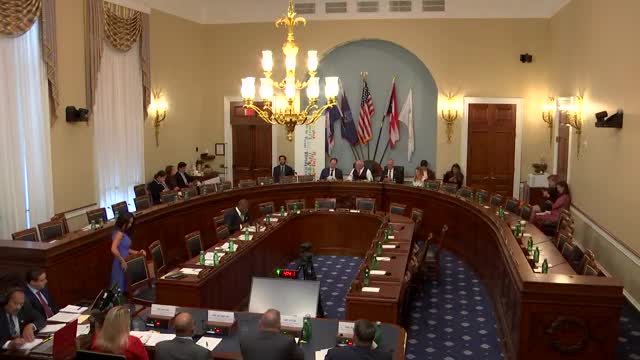
In a recent government meeting, officials expressed concerns over the impact of environmental litigation on energy projects in the United States. The discussions highlighted how extreme environmental activists have increasingly utilized the National Environmental Policy Act (NEPA) to file lawsuits that not only hinder oil and gas production but also obstruct renewable energy initiatives, such as wind and solar projects.
According to representatives from the National Rural Electric Cooperative Association (NRECA), the average time required to complete and approve an environmental impact statement has ballooned to four years due to excessive litigation. This delay is seen as detrimental to the nation's energy infrastructure and overall economic health. The representatives pointed out specific cases in states like Wisconsin and Nebraska, where transmission line projects are facing significant legal challenges, further complicating efforts to transition from coal to natural gas.
The meeting also touched on the need for legislative reforms to streamline the permitting process. Officials indicated that proposed changes to the Clean Water Act could help mitigate the influence of activist states that use environmental regulations to block essential projects. The consensus among participants was that the United States requires more pipelines, generation, and transmission capacity to meet growing energy demands, particularly as the population in certain districts continues to rise.
Overall, the discussions underscored a pressing need for a balanced approach to environmental regulation that supports both ecological goals and the development of critical energy infrastructure.
According to representatives from the National Rural Electric Cooperative Association (NRECA), the average time required to complete and approve an environmental impact statement has ballooned to four years due to excessive litigation. This delay is seen as detrimental to the nation's energy infrastructure and overall economic health. The representatives pointed out specific cases in states like Wisconsin and Nebraska, where transmission line projects are facing significant legal challenges, further complicating efforts to transition from coal to natural gas.
The meeting also touched on the need for legislative reforms to streamline the permitting process. Officials indicated that proposed changes to the Clean Water Act could help mitigate the influence of activist states that use environmental regulations to block essential projects. The consensus among participants was that the United States requires more pipelines, generation, and transmission capacity to meet growing energy demands, particularly as the population in certain districts continues to rise.
Overall, the discussions underscored a pressing need for a balanced approach to environmental regulation that supports both ecological goals and the development of critical energy infrastructure.
Don't Miss a Word: See the Full Meeting!
Go beyond summaries. Unlock every video, transcript, and key insight with a Founder Membership.
✓
Get instant access to full meeting videos
✓
Search and clip any phrase from complete transcripts
✓
Receive AI-powered summaries & custom alerts
✓
Enjoy lifetime, unrestricted access to government data
30-day money-back guarantee
