Dam removal sparks urgent concerns over river ecosystem collapse
September 10, 2024 | Natural Resources: House Committee, Standing Committees - House & Senate, Congressional Hearings Compilation, Legislative, Federal
This article was created by AI summarizing key points discussed. AI makes mistakes, so for full details and context, please refer to the video of the full meeting. Please report any errors so we can fix them. Report an error »
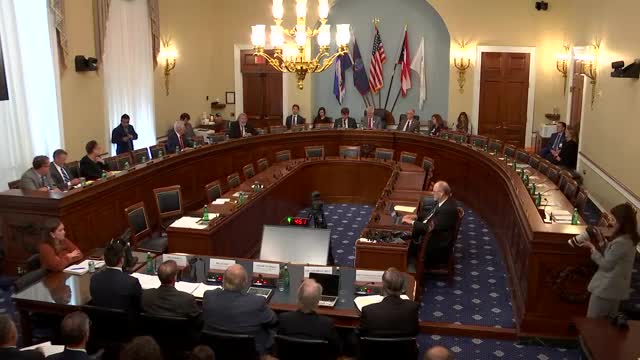
In a recent government meeting, concerns were raised regarding the ecological impact following the removal of four dams on the Klamath River. Lawmakers questioned the monitoring efforts and the long-term effects on fish populations and local wildlife, particularly in light of reports of significant sediment and effluent affecting the river's ecosystem.
One congressman highlighted alarming conditions, including water temperatures ranging from 68 to 72 degrees, which are not conducive to salmon survival. He expressed skepticism about the planning behind the dam removals, questioning whether the potential ecological damage was adequately considered. The congressman pointed out that the sediment buildup—estimated at 20 million cubic yards—could take much longer than the anticipated 7 to 10 years to clear, potentially jeopardizing salmon populations that have a lifecycle of only three years.
In response, officials acknowledged that sediment release is a common consequence of dam removals and assured that they are closely monitoring the situation. They emphasized that while initial conditions may be challenging, the long-term outlook is expected to improve with stronger returns of aquatic species over time. However, they admitted to being less informed about the immediate impacts on local residents, some of whom are reportedly facing severe water shortages and living conditions akin to those in developing regions.
The meeting underscored a critical dialogue about balancing ecological restoration with the needs of local communities, as officials committed to providing further updates and addressing the concerns raised about the welfare of both wildlife and residents along the river.
One congressman highlighted alarming conditions, including water temperatures ranging from 68 to 72 degrees, which are not conducive to salmon survival. He expressed skepticism about the planning behind the dam removals, questioning whether the potential ecological damage was adequately considered. The congressman pointed out that the sediment buildup—estimated at 20 million cubic yards—could take much longer than the anticipated 7 to 10 years to clear, potentially jeopardizing salmon populations that have a lifecycle of only three years.
In response, officials acknowledged that sediment release is a common consequence of dam removals and assured that they are closely monitoring the situation. They emphasized that while initial conditions may be challenging, the long-term outlook is expected to improve with stronger returns of aquatic species over time. However, they admitted to being less informed about the immediate impacts on local residents, some of whom are reportedly facing severe water shortages and living conditions akin to those in developing regions.
The meeting underscored a critical dialogue about balancing ecological restoration with the needs of local communities, as officials committed to providing further updates and addressing the concerns raised about the welfare of both wildlife and residents along the river.
Don't Miss a Word: See the Full Meeting!
Go beyond summaries. Unlock every video, transcript, and key insight with a Founder Membership.
✓
Get instant access to full meeting videos
✓
Search and clip any phrase from complete transcripts
✓
Receive AI-powered summaries & custom alerts
✓
Enjoy lifetime, unrestricted access to government data
30-day money-back guarantee
