Prosecutors face backlash over soft on crime policies
September 11, 2024 | Judiciary: House Committee, Standing Committees - House & Senate, Congressional Hearings Compilation, Legislative, Federal
This article was created by AI summarizing key points discussed. AI makes mistakes, so for full details and context, please refer to the video of the full meeting. Please report any errors so we can fix them. Report an error »
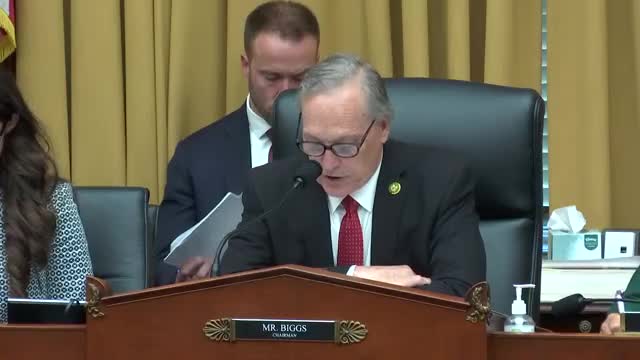
In a recent government oversight hearing, concerns were raised about the impact of lenient criminal justice policies on public safety across the United States. Prosecutors have been criticized for downgrading felonies to misdemeanors and declining to prosecute certain crimes, which has reportedly led to increased criminality and violence in various cities.
The hearing highlighted the consequences of recent bail reform laws, which critics argue make it easier for offenders to remain free while complicating law enforcement efforts to protect communities. The discussion underscored fears that if leftist policies in cities like Manhattan, Chicago, Washington D.C., Philadelphia, California, and Minnesota gain traction, they could set a precedent for similar approaches nationwide, potentially affecting federal criminal codes.
Minnesota was specifically spotlighted, with officials noting that violent crime remains significantly elevated due to the aftermath of the summer 2020 riots following George Floyd's death. The Twin Cities, Minneapolis and Saint Paul, have faced ongoing challenges, including a rise in crime and difficulties in police recruitment, exacerbated by a controversial decision to defund the police department by $8 million. The hearing also pointed out that both district attorneys in the Twin Cities have adopted policies perceived as overly lenient, further enabling criminal behavior.
As the hearing progresses, witnesses from Minnesota are expected to provide insights into the local law enforcement landscape and the broader implications of these policies on community safety. The discussions aim to serve as a wake-up call for Americans to reconsider the direction of criminal justice reforms and their impact on public safety.
The hearing highlighted the consequences of recent bail reform laws, which critics argue make it easier for offenders to remain free while complicating law enforcement efforts to protect communities. The discussion underscored fears that if leftist policies in cities like Manhattan, Chicago, Washington D.C., Philadelphia, California, and Minnesota gain traction, they could set a precedent for similar approaches nationwide, potentially affecting federal criminal codes.
Minnesota was specifically spotlighted, with officials noting that violent crime remains significantly elevated due to the aftermath of the summer 2020 riots following George Floyd's death. The Twin Cities, Minneapolis and Saint Paul, have faced ongoing challenges, including a rise in crime and difficulties in police recruitment, exacerbated by a controversial decision to defund the police department by $8 million. The hearing also pointed out that both district attorneys in the Twin Cities have adopted policies perceived as overly lenient, further enabling criminal behavior.
As the hearing progresses, witnesses from Minnesota are expected to provide insights into the local law enforcement landscape and the broader implications of these policies on community safety. The discussions aim to serve as a wake-up call for Americans to reconsider the direction of criminal justice reforms and their impact on public safety.
Don't Miss a Word: See the Full Meeting!
Go beyond summaries. Unlock every video, transcript, and key insight with a Founder Membership.
✓
Get instant access to full meeting videos
✓
Search and clip any phrase from complete transcripts
✓
Receive AI-powered summaries & custom alerts
✓
Enjoy lifetime, unrestricted access to government data
30-day money-back guarantee
