Lawmakers clash over voter registration and election integrity
September 10, 2024 | Judiciary: House Committee, Standing Committees - House & Senate, Congressional Hearings Compilation, Legislative, Federal
This article was created by AI summarizing key points discussed. AI makes mistakes, so for full details and context, please refer to the video of the full meeting. Please report any errors so we can fix them. Report an error »
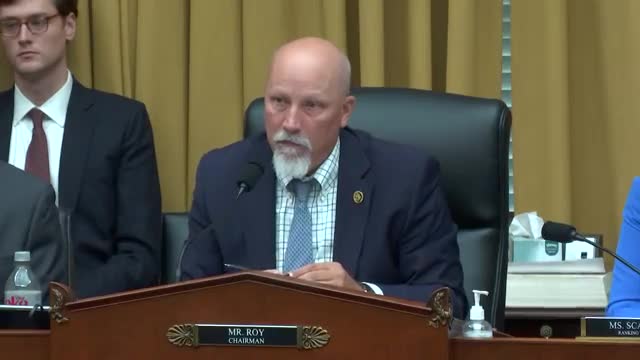
In a recent government meeting, discussions centered around voter registration processes and the implications of the proposed SAVE Act, which aims to enhance the integrity of voter rolls. Key points raised included the National Voter Registration Act (NVRA) and its prohibition against systematic removal of voters, allowing states to maintain individualized processes for voter list management.
Witnesses emphasized the challenges of identifying illegal voting, particularly in Florida, without comprehensive data access. The conversation highlighted the perceived effectiveness of voter ID laws, with proponents arguing that such measures have not suppressed turnout but rather improved it in states like South Carolina.
A significant portion of the meeting focused on Executive Order 14019, issued by President Biden, which mandates federal agencies to develop plans for voter registration. Critics, including some witnesses, argued that this order lacks congressional authorization and could lead to the registration of non-citizens, raising concerns about the equitable treatment of voters and the potential misuse of taxpayer resources.
The SAVE Act was presented as a solution to prevent non-citizens from being registered to vote and to streamline the removal of ineligible voters from the rolls. Proponents argued that the act would safeguard electoral integrity, while opponents expressed concerns about its implications for voter access.
Overall, the meeting underscored the ongoing debate over voter registration practices, the balance between access and security, and the political divides surrounding these issues. The discussions reflect broader national conversations about voting rights and election integrity as the country approaches future elections.
Witnesses emphasized the challenges of identifying illegal voting, particularly in Florida, without comprehensive data access. The conversation highlighted the perceived effectiveness of voter ID laws, with proponents arguing that such measures have not suppressed turnout but rather improved it in states like South Carolina.
A significant portion of the meeting focused on Executive Order 14019, issued by President Biden, which mandates federal agencies to develop plans for voter registration. Critics, including some witnesses, argued that this order lacks congressional authorization and could lead to the registration of non-citizens, raising concerns about the equitable treatment of voters and the potential misuse of taxpayer resources.
The SAVE Act was presented as a solution to prevent non-citizens from being registered to vote and to streamline the removal of ineligible voters from the rolls. Proponents argued that the act would safeguard electoral integrity, while opponents expressed concerns about its implications for voter access.
Overall, the meeting underscored the ongoing debate over voter registration practices, the balance between access and security, and the political divides surrounding these issues. The discussions reflect broader national conversations about voting rights and election integrity as the country approaches future elections.
View the Full Meeting & All Its Details
This article offers just a summary. Unlock complete video, transcripts, and insights as a Founder Member.
✓
Watch full, unedited meeting videos
✓
Search every word spoken in unlimited transcripts
✓
AI summaries & real-time alerts (all government levels)
✓
Permanent access to expanding government content
30-day money-back guarantee
