Election integrity at risk from noncitizen voting claims
September 10, 2024 | Judiciary: House Committee, Standing Committees - House & Senate, Congressional Hearings Compilation, Legislative, Federal
This article was created by AI summarizing key points discussed. AI makes mistakes, so for full details and context, please refer to the video of the full meeting. Please report any errors so we can fix them. Report an error »
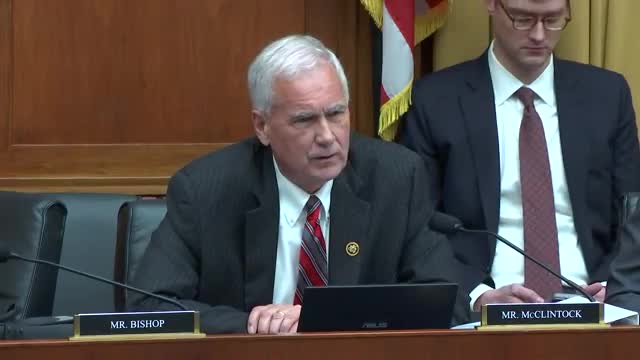
During a recent government meeting, discussions centered on the contentious issue of noncitizen voting, with representatives citing various studies to support their claims. A notable reference was made to a 2014 study by Old Dominion University and George Mason University, which indicated that 6.4% of noncitizens voted in the 2008 elections and 2.2% in 2010. This was echoed by a Stanford University study, which suggested that while the proportion of noncitizens who voted was less than 15%, it was still significant enough to influence election outcomes.
The conversation highlighted the potential impact of noncitizen voting on key electoral results, including the 2008 assignment of North Carolina's electoral votes and the narrow victory of Democrat Al Franken in Minnesota. Concerns were raised about the current administration's immigration policies, which have reportedly allowed an influx of over 500,000 illegal migrants, a population larger than Arizona, potentially affecting electoral integrity.
A congressman pointed out that recent polling indicates a tight race between candidates Harris and Trump, with only a 1.1% vote difference. He argued that if 2% of the votes were cast by illegal voters, it could effectively cancel out legitimate votes, undermining public confidence in the electoral process.
Secretary Byrd confirmed that many states have conducted surveys revealing thousands of foreign nationals on voter rolls, some of whom have a history of voting. He cited Florida's efforts over the past decade, where over one million individuals have been removed from voter rolls, including noncitizens. Byrd also mentioned recent arrests in Florida for attempts to influence elections fraudulently, reinforcing the seriousness of the issue.
The meeting underscored the ongoing debate over voter integrity and the implications of noncitizen voting, with officials calling for continued scrutiny and action to ensure the electoral process reflects the will of American citizens.
The conversation highlighted the potential impact of noncitizen voting on key electoral results, including the 2008 assignment of North Carolina's electoral votes and the narrow victory of Democrat Al Franken in Minnesota. Concerns were raised about the current administration's immigration policies, which have reportedly allowed an influx of over 500,000 illegal migrants, a population larger than Arizona, potentially affecting electoral integrity.
A congressman pointed out that recent polling indicates a tight race between candidates Harris and Trump, with only a 1.1% vote difference. He argued that if 2% of the votes were cast by illegal voters, it could effectively cancel out legitimate votes, undermining public confidence in the electoral process.
Secretary Byrd confirmed that many states have conducted surveys revealing thousands of foreign nationals on voter rolls, some of whom have a history of voting. He cited Florida's efforts over the past decade, where over one million individuals have been removed from voter rolls, including noncitizens. Byrd also mentioned recent arrests in Florida for attempts to influence elections fraudulently, reinforcing the seriousness of the issue.
The meeting underscored the ongoing debate over voter integrity and the implications of noncitizen voting, with officials calling for continued scrutiny and action to ensure the electoral process reflects the will of American citizens.
View the Full Meeting & All Its Details
This article offers just a summary. Unlock complete video, transcripts, and insights as a Founder Member.
✓
Watch full, unedited meeting videos
✓
Search every word spoken in unlimited transcripts
✓
AI summaries & real-time alerts (all government levels)
✓
Permanent access to expanding government content
30-day money-back guarantee
