Latinos poised to reshape US voting landscape
September 10, 2024 | Judiciary: House Committee, Standing Committees - House & Senate, Congressional Hearings Compilation, Legislative, Federal
This article was created by AI summarizing key points discussed. AI makes mistakes, so for full details and context, please refer to the video of the full meeting. Please report any errors so we can fix them. Report an error »
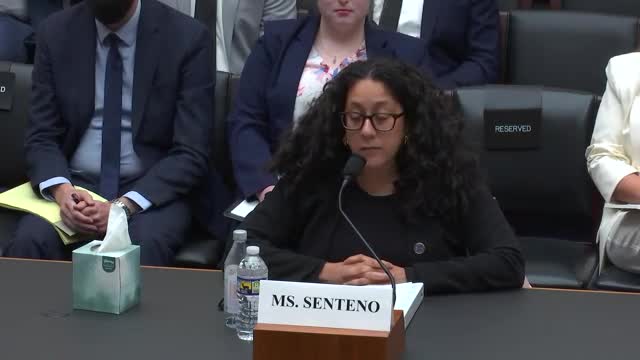
In a recent government meeting, officials highlighted the critical role of the Latino community in shaping the U.S. electorate and the ongoing challenges they face regarding voting rights. The discussion centered on the efforts of the Mexican American Legal Defense and Educational Fund (MALDEF), which has prioritized securing equal voting rights for Latinos and enhancing civic engagement within this demographic.
MALDEF has actively litigated against various barriers that hinder Latino voter participation, including discriminatory redistricting, restrictive voter registration requirements, and the lack of bilingual voting materials. Notably, Latinos accounted for 51% of the nation's population growth from 2010 to 2020, and they are projected to represent 17.5% of the total voting population in the upcoming general election. Each year, approximately 1.8 million Latinos become eligible to vote, underscoring their significant impact on the electoral landscape.
Despite these statistics, misconceptions persist regarding the Latino community, particularly the erroneous belief that it is predominantly composed of noncitizens. In reality, 81% of Latinos in the U.S. are citizens, and the narrative of widespread voter fraud linked to noncitizen immigrants has been debunked by substantial evidence. Noncitizens are legally barred from voting in federal elections, and all states prohibit noncitizen voting in state elections.
The meeting underscored the importance of addressing these misconceptions and the historical context of voter suppression efforts aimed at the Latino community. As demographic changes continue to reshape the electorate, officials emphasized the need for policies that promote inclusivity and protect the voting rights of all citizens.
MALDEF has actively litigated against various barriers that hinder Latino voter participation, including discriminatory redistricting, restrictive voter registration requirements, and the lack of bilingual voting materials. Notably, Latinos accounted for 51% of the nation's population growth from 2010 to 2020, and they are projected to represent 17.5% of the total voting population in the upcoming general election. Each year, approximately 1.8 million Latinos become eligible to vote, underscoring their significant impact on the electoral landscape.
Despite these statistics, misconceptions persist regarding the Latino community, particularly the erroneous belief that it is predominantly composed of noncitizens. In reality, 81% of Latinos in the U.S. are citizens, and the narrative of widespread voter fraud linked to noncitizen immigrants has been debunked by substantial evidence. Noncitizens are legally barred from voting in federal elections, and all states prohibit noncitizen voting in state elections.
The meeting underscored the importance of addressing these misconceptions and the historical context of voter suppression efforts aimed at the Latino community. As demographic changes continue to reshape the electorate, officials emphasized the need for policies that promote inclusivity and protect the voting rights of all citizens.
Don't Miss a Word: See the Full Meeting!
Go beyond summaries. Unlock every video, transcript, and key insight with a Founder Membership.
✓
Get instant access to full meeting videos
✓
Search and clip any phrase from complete transcripts
✓
Receive AI-powered summaries & custom alerts
✓
Enjoy lifetime, unrestricted access to government data
30-day money-back guarantee
