Cybersecurity expert warns of evolving global threats
September 04, 2024 | Homeland Security: House Committee, Standing Committees - House & Senate, Congressional Hearings Compilation, Legislative, Federal
This article was created by AI summarizing key points discussed. AI makes mistakes, so for full details and context, please refer to the video of the full meeting. Please report any errors so we can fix them. Report an error »
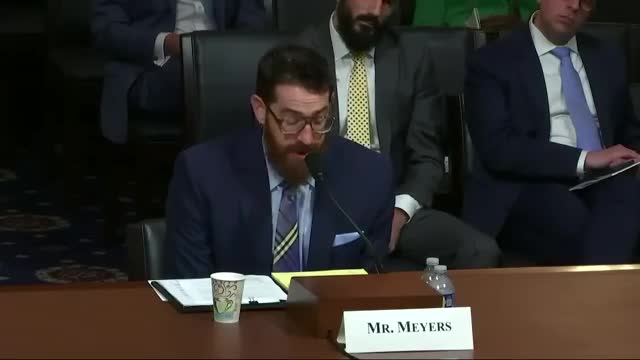
In a recent government meeting, cybersecurity experts discussed the implications of a recent incident affecting Windows systems, emphasizing that the issue stemmed from an internal update process rather than a cyber attack. The conversation highlighted the differences in operating system architectures, particularly between Windows, Apple, and Linux, and how these differences impact security measures.
One key point raised was the potential risks associated with both user space and kernel space crashes. Experts noted that while crashes in user space typically affect only the application in question, kernel space failures could lead to system-wide crashes, particularly in Windows environments. This distinction underscores the importance of robust security protocols across different platforms.
The discussion also touched on Apple's stringent restrictions on kernel access, which some believe may enhance security by preventing similar incidents from occurring on Mac systems. However, there are concerns that these restrictions could hinder the effectiveness of security software. The witness acknowledged the pros and cons of each operating system's architecture, stating that their security products are designed to leverage the unique features of Windows, Apple, and Linux systems.
As the meeting progressed, the witness expressed concern over the evolving tactics of cyber threat actors, who are increasingly targeting identity systems to facilitate ransomware and data extortion attacks. This shift in focus necessitates ongoing vigilance and collaboration between cybersecurity experts and legislative bodies to address emerging threats.
The meeting concluded with a recognition of the need for continued dialogue on cybersecurity issues, with participants acknowledging the challenges of maintaining speed in legislative processes. The witness reiterated the importance of proactive measures to safeguard systems against the growing landscape of cyber threats.
One key point raised was the potential risks associated with both user space and kernel space crashes. Experts noted that while crashes in user space typically affect only the application in question, kernel space failures could lead to system-wide crashes, particularly in Windows environments. This distinction underscores the importance of robust security protocols across different platforms.
The discussion also touched on Apple's stringent restrictions on kernel access, which some believe may enhance security by preventing similar incidents from occurring on Mac systems. However, there are concerns that these restrictions could hinder the effectiveness of security software. The witness acknowledged the pros and cons of each operating system's architecture, stating that their security products are designed to leverage the unique features of Windows, Apple, and Linux systems.
As the meeting progressed, the witness expressed concern over the evolving tactics of cyber threat actors, who are increasingly targeting identity systems to facilitate ransomware and data extortion attacks. This shift in focus necessitates ongoing vigilance and collaboration between cybersecurity experts and legislative bodies to address emerging threats.
The meeting concluded with a recognition of the need for continued dialogue on cybersecurity issues, with participants acknowledging the challenges of maintaining speed in legislative processes. The witness reiterated the importance of proactive measures to safeguard systems against the growing landscape of cyber threats.
View the Full Meeting & All Its Details
This article offers just a summary. Unlock complete video, transcripts, and insights as a Founder Member.
✓
Watch full, unedited meeting videos
✓
Search every word spoken in unlimited transcripts
✓
AI summaries & real-time alerts (all government levels)
✓
Permanent access to expanding government content
30-day money-back guarantee
