AI Threats Loom as Cybersecurity Experts Sound Alarm
September 04, 2024 | Homeland Security: House Committee, Standing Committees - House & Senate, Congressional Hearings Compilation, Legislative, Federal
This article was created by AI summarizing key points discussed. AI makes mistakes, so for full details and context, please refer to the video of the full meeting. Please report any errors so we can fix them. Report an error »
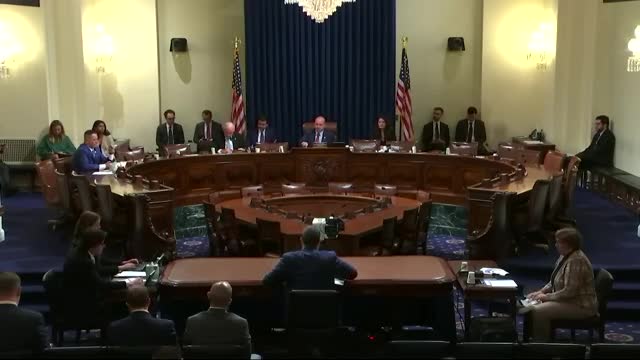
During a recent government meeting, concerns surrounding the threats posed by artificial intelligence (AI) were at the forefront of discussions. A congressman raised critical questions about the current and future risks associated with AI technologies, particularly in the context of cybersecurity.
Experts highlighted that adversaries are already utilizing AI tools, such as large language models, to automate disinformation campaigns and enhance their cyberattack strategies. These technologies enable threat actors to generate malicious scripts more efficiently, raising alarms about the potential for AI to evolve into a tool for writing harmful code.
The conversation underscored the urgency of developing countermeasures against AI-driven attacks. One expert emphasized that as AI capabilities advance, the need for defensive AI systems will become paramount. The fear is that without adequate safeguards, organizations could face millions of cyberattacks daily, particularly as quantum computing emerges as a new frontier for cyber threats.
Concerns were also raised about the vulnerability of critical infrastructure, including electrical and transportation systems, to coordinated attacks. The potential for simultaneous disruptions could lead to catastrophic consequences, prompting discussions about the necessity of reevaluating connectivity and security protocols.
Looking ahead, experts suggested that organizations may increasingly deploy localized AI workloads tailored to specific business challenges. However, this shift also introduces new risks, as adversaries could exploit these systems by corrupting the data used for AI training.
The meeting concluded with a call for proactive measures to secure AI technologies and a commitment to ongoing dialogue about the evolving landscape of cybersecurity threats.
Experts highlighted that adversaries are already utilizing AI tools, such as large language models, to automate disinformation campaigns and enhance their cyberattack strategies. These technologies enable threat actors to generate malicious scripts more efficiently, raising alarms about the potential for AI to evolve into a tool for writing harmful code.
The conversation underscored the urgency of developing countermeasures against AI-driven attacks. One expert emphasized that as AI capabilities advance, the need for defensive AI systems will become paramount. The fear is that without adequate safeguards, organizations could face millions of cyberattacks daily, particularly as quantum computing emerges as a new frontier for cyber threats.
Concerns were also raised about the vulnerability of critical infrastructure, including electrical and transportation systems, to coordinated attacks. The potential for simultaneous disruptions could lead to catastrophic consequences, prompting discussions about the necessity of reevaluating connectivity and security protocols.
Looking ahead, experts suggested that organizations may increasingly deploy localized AI workloads tailored to specific business challenges. However, this shift also introduces new risks, as adversaries could exploit these systems by corrupting the data used for AI training.
The meeting concluded with a call for proactive measures to secure AI technologies and a commitment to ongoing dialogue about the evolving landscape of cybersecurity threats.
View the Full Meeting & All Its Details
This article offers just a summary. Unlock complete video, transcripts, and insights as a Founder Member.
✓
Watch full, unedited meeting videos
✓
Search every word spoken in unlimited transcripts
✓
AI summaries & real-time alerts (all government levels)
✓
Permanent access to expanding government content
30-day money-back guarantee
