US Takes Action Against China's Exploitative Practices in Africa
September 11, 2024 | Foreign Affairs: House Committee, Standing Committees - House & Senate, Congressional Hearings Compilation, Legislative, Federal
This article was created by AI summarizing key points discussed. AI makes mistakes, so for full details and context, please refer to the video of the full meeting. Please report any errors so we can fix them. Report an error »
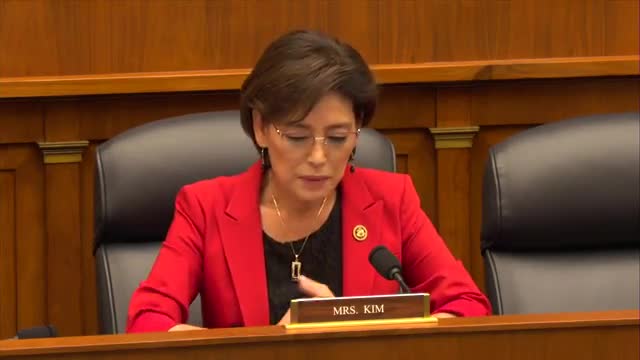
In a recent government meeting, discussions centered on the growing influence of the People's Republic of China (PRC) in Africa, particularly regarding its exploitative practices in sectors such as mining, drilling, logging, and fishing. The introduction of the Stopping PRC Environmental Exploitation and Degradation Act, or SPEED Act, was highlighted as a legislative effort to hold the PRC accountable for its environmental degradation and the harm inflicted on African communities.
Officials acknowledged the increasing PRC investment in Africa, despite its coercive nature, and emphasized the need for the U.S. State Department to inform African governments about the unsustainable and transactional approach of PRC engagements. The conversation underscored a commitment to ensuring that U.S. policy focuses on supporting African nations in their development, rather than framing the situation as a competition between the U.S. and China.
Concerns were raised about the disinformation campaigns propagated by the PRC and Russia, with officials noting the importance of countering misinformation through initiatives like the Global Engagement Center. The meeting also addressed the PRC's efforts to export its authoritarian governance model, including funding political schools in various African countries to influence future leaders.
In response, the State Department reiterated its commitment to educational initiatives, including significant investments in primary education and exchange programs that bring African students to the U.S. for higher education. These efforts aim to counteract the PRC's influence and promote democratic values and human rights across the continent.
The meeting concluded with a call for vigilance against terrorism, reflecting on the broader implications of international relations and security in the context of global challenges.
Officials acknowledged the increasing PRC investment in Africa, despite its coercive nature, and emphasized the need for the U.S. State Department to inform African governments about the unsustainable and transactional approach of PRC engagements. The conversation underscored a commitment to ensuring that U.S. policy focuses on supporting African nations in their development, rather than framing the situation as a competition between the U.S. and China.
Concerns were raised about the disinformation campaigns propagated by the PRC and Russia, with officials noting the importance of countering misinformation through initiatives like the Global Engagement Center. The meeting also addressed the PRC's efforts to export its authoritarian governance model, including funding political schools in various African countries to influence future leaders.
In response, the State Department reiterated its commitment to educational initiatives, including significant investments in primary education and exchange programs that bring African students to the U.S. for higher education. These efforts aim to counteract the PRC's influence and promote democratic values and human rights across the continent.
The meeting concluded with a call for vigilance against terrorism, reflecting on the broader implications of international relations and security in the context of global challenges.
View the Full Meeting & All Its Details
This article offers just a summary. Unlock complete video, transcripts, and insights as a Founder Member.
✓
Watch full, unedited meeting videos
✓
Search every word spoken in unlimited transcripts
✓
AI summaries & real-time alerts (all government levels)
✓
Permanent access to expanding government content
30-day money-back guarantee
