Proxy advisors vital for bridging racial wealth gap
September 10, 2024 | Financial Services: House Committee, Standing Committees - House & Senate, Congressional Hearings Compilation, Legislative, Federal
This article was created by AI summarizing key points discussed. AI makes mistakes, so for full details and context, please refer to the video of the full meeting. Please report any errors so we can fix them. Report an error »
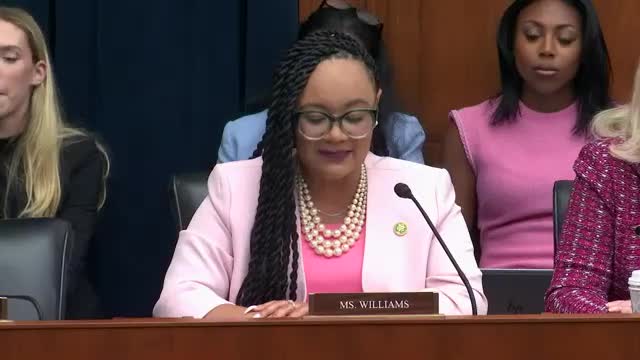
In a recent government meeting, officials highlighted the pressing issue of the racial wealth gap in Atlanta, one of the largest in the nation. A significant barrier to addressing this disparity is the limited agency that underrepresented communities have over their investments. The discussion emphasized the critical role of proxy advisors and environmental, social, and governance (ESG) practices in empowering these communities.
Proxy advisors serve as essential resources for shareholders, providing recommendations that guide informed decisions on corporate governance and ESG issues. As companies increasingly face scrutiny regarding their sustainability practices and board diversity, these advisory services become vital for ensuring that investors, particularly from marginalized backgrounds, can influence corporate policies that impact their lives.
The meeting underscored that shareholder proposals are a key mechanism for advocating changes such as enhanced board diversity and equitable pay practices. These initiatives not only promote social justice but can also lead to improved corporate performance and profitability. However, recent legislative efforts to limit the influence of proxy advisors and restrict shareholder engagement pose a threat to these advancements. Such changes could further entrench economic disparities by consolidating decision-making power among a select few, thereby diminishing the voices of underrepresented investors.
The discussion also touched on the importance of diversity in corporate boards, with studies indicating that diverse boards outperform homogeneous ones. This diversity fosters better decision-making and helps identify business opportunities that might otherwise be overlooked.
As the meeting concluded, officials recognized the need for robust and accessible proxy advisory services and shareholder proposals to ensure that all investors, especially those from underserved communities, can shape corporate practices and contribute to a more equitable economic landscape. The dialogue highlighted the urgency of maintaining these tools to address systemic inequalities and promote inclusive corporate governance.
Proxy advisors serve as essential resources for shareholders, providing recommendations that guide informed decisions on corporate governance and ESG issues. As companies increasingly face scrutiny regarding their sustainability practices and board diversity, these advisory services become vital for ensuring that investors, particularly from marginalized backgrounds, can influence corporate policies that impact their lives.
The meeting underscored that shareholder proposals are a key mechanism for advocating changes such as enhanced board diversity and equitable pay practices. These initiatives not only promote social justice but can also lead to improved corporate performance and profitability. However, recent legislative efforts to limit the influence of proxy advisors and restrict shareholder engagement pose a threat to these advancements. Such changes could further entrench economic disparities by consolidating decision-making power among a select few, thereby diminishing the voices of underrepresented investors.
The discussion also touched on the importance of diversity in corporate boards, with studies indicating that diverse boards outperform homogeneous ones. This diversity fosters better decision-making and helps identify business opportunities that might otherwise be overlooked.
As the meeting concluded, officials recognized the need for robust and accessible proxy advisory services and shareholder proposals to ensure that all investors, especially those from underserved communities, can shape corporate practices and contribute to a more equitable economic landscape. The dialogue highlighted the urgency of maintaining these tools to address systemic inequalities and promote inclusive corporate governance.
View the Full Meeting & All Its Details
This article offers just a summary. Unlock complete video, transcripts, and insights as a Founder Member.
✓
Watch full, unedited meeting videos
✓
Search every word spoken in unlimited transcripts
✓
AI summaries & real-time alerts (all government levels)
✓
Permanent access to expanding government content
30-day money-back guarantee
