Parental Rights Bill Sparks Heated Debate in Congress
September 11, 2024 | Education and Labor: House Committee, Standing Committees - House & Senate, Congressional Hearings Compilation, Legislative, Federal
This article was created by AI summarizing key points discussed. AI makes mistakes, so for full details and context, please refer to the video of the full meeting. Please report any errors so we can fix them. Report an error »
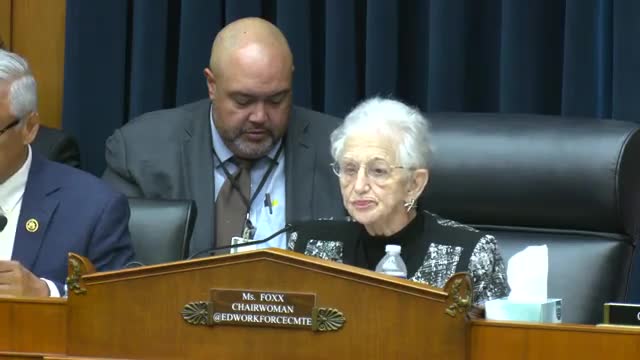
In a recent government meeting, lawmakers debated HR 736, a bill aimed at requiring parental consent before schools can change a minor's gender markers, pronouns, or preferred name on school forms. The bill, known as the Protect Kids Act, has sparked significant controversy, with proponents arguing it upholds parental rights, while opponents warn it could endanger LGBTQ youth.
Congressman Tim Wahlberg, who introduced the bill, emphasized the need for parental involvement in significant decisions affecting their children. He cited alarming trends where schools allegedly keep parents uninformed about their children's identities, referencing California's AB 1955, which prohibits parental notification regarding a child's behavior at school. Wahlberg argued that if parental consent is required for field trips or academic assessments, it should also apply to changes in gender identity and accommodations.
Conversely, opponents of the bill, including Congressman Mark Takano, expressed strong concerns about the potential harm to LGBTQ students. Takano shared a personal account of a student who faced violence after being outed to his parents, highlighting the risks that such legislation could pose to children in unsupportive home environments. He criticized the bill for inserting government into the parent-child relationship and for framing educators as conspirators against parental rights.
Other lawmakers echoed these sentiments, arguing that the bill could alienate students from their families and teachers, and exacerbate mental health issues among LGBTQ youth. They pointed out that many students rely on schools as safe spaces, and forcing educators to disclose sensitive information could lead to dangerous situations for vulnerable children.
Supporters of the bill, including Congresswoman Mary Miller, countered that it is essential for parents to be involved in their children's upbringing and education, asserting that current policies undermine parental authority. They argued that the legislation is a necessary step to protect children and uphold traditional family values.
As the committee moved to consider amendments, the debate highlighted a deep divide over parental rights, student safety, and the role of schools in addressing gender identity issues. The outcome of HR 736 remains uncertain, as lawmakers continue to grapple with the implications of the proposed legislation on families and educational environments across the country.
Congressman Tim Wahlberg, who introduced the bill, emphasized the need for parental involvement in significant decisions affecting their children. He cited alarming trends where schools allegedly keep parents uninformed about their children's identities, referencing California's AB 1955, which prohibits parental notification regarding a child's behavior at school. Wahlberg argued that if parental consent is required for field trips or academic assessments, it should also apply to changes in gender identity and accommodations.
Conversely, opponents of the bill, including Congressman Mark Takano, expressed strong concerns about the potential harm to LGBTQ students. Takano shared a personal account of a student who faced violence after being outed to his parents, highlighting the risks that such legislation could pose to children in unsupportive home environments. He criticized the bill for inserting government into the parent-child relationship and for framing educators as conspirators against parental rights.
Other lawmakers echoed these sentiments, arguing that the bill could alienate students from their families and teachers, and exacerbate mental health issues among LGBTQ youth. They pointed out that many students rely on schools as safe spaces, and forcing educators to disclose sensitive information could lead to dangerous situations for vulnerable children.
Supporters of the bill, including Congresswoman Mary Miller, countered that it is essential for parents to be involved in their children's upbringing and education, asserting that current policies undermine parental authority. They argued that the legislation is a necessary step to protect children and uphold traditional family values.
As the committee moved to consider amendments, the debate highlighted a deep divide over parental rights, student safety, and the role of schools in addressing gender identity issues. The outcome of HR 736 remains uncertain, as lawmakers continue to grapple with the implications of the proposed legislation on families and educational environments across the country.
View the Full Meeting & All Its Details
This article offers just a summary. Unlock complete video, transcripts, and insights as a Founder Member.
✓
Watch full, unedited meeting videos
✓
Search every word spoken in unlimited transcripts
✓
AI summaries & real-time alerts (all government levels)
✓
Permanent access to expanding government content
30-day money-back guarantee
