Lawmakers demand accountability for inflated budget projections
September 11, 2024 | Budget: House Committee, Standing Committees - House & Senate, Congressional Hearings Compilation, Legislative, Federal
This article was created by AI summarizing key points discussed. AI makes mistakes, so for full details and context, please refer to the video of the full meeting. Please report any errors so we can fix them. Report an error »
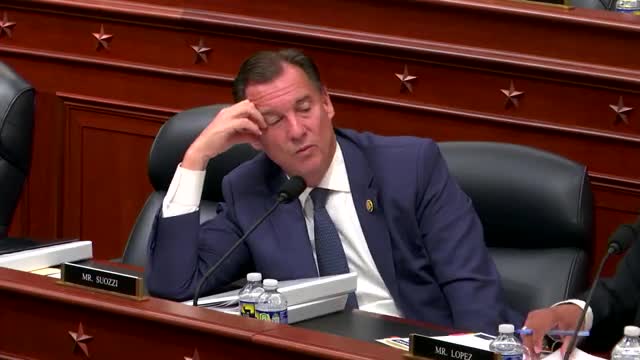
During a recent government meeting, discussions centered on the effectiveness of auditing processes within federal agencies, particularly regarding the evaluation of significant reports and their outcomes. One participant emphasized the need for a more focused approach to audits, suggesting that rather than conducting broad audits of results—which can often be bureaucratic and ineffective—agencies should analyze specific major reports from the past five to ten years. This would involve assessing the accuracy of projections and understanding discrepancies between expected and actual outcomes.
The speaker expressed frustration with the politicization of bureaucratic processes in Washington, advocating for a straightforward evaluation method that would provide clear insights into agency performance. They proposed that both Democratic and Republican colleagues collaborate to select a handful of significant reports that have not met expectations, allowing for a deeper investigation into the assumptions and methodologies used in those projections.
In a related discussion, the meeting also addressed the Congressional Budget Office's (CBO) revised estimates regarding the Inflation Reduction Act's climate-related provisions. Initially projected to cost $400 billion, the CBO has since increased this estimate to $790 billion, raising questions about the accuracy of their forecasting methods. A request was made for clarification on how these revisions were made and the reasons behind such a substantial error.
The meeting highlighted ongoing concerns about the effectiveness of government audits and the need for improved accountability in federal spending, particularly in light of significant budgetary discrepancies.
The speaker expressed frustration with the politicization of bureaucratic processes in Washington, advocating for a straightforward evaluation method that would provide clear insights into agency performance. They proposed that both Democratic and Republican colleagues collaborate to select a handful of significant reports that have not met expectations, allowing for a deeper investigation into the assumptions and methodologies used in those projections.
In a related discussion, the meeting also addressed the Congressional Budget Office's (CBO) revised estimates regarding the Inflation Reduction Act's climate-related provisions. Initially projected to cost $400 billion, the CBO has since increased this estimate to $790 billion, raising questions about the accuracy of their forecasting methods. A request was made for clarification on how these revisions were made and the reasons behind such a substantial error.
The meeting highlighted ongoing concerns about the effectiveness of government audits and the need for improved accountability in federal spending, particularly in light of significant budgetary discrepancies.
View the Full Meeting & All Its Details
This article offers just a summary. Unlock complete video, transcripts, and insights as a Founder Member.
✓
Watch full, unedited meeting videos
✓
Search every word spoken in unlimited transcripts
✓
AI summaries & real-time alerts (all government levels)
✓
Permanent access to expanding government content
30-day money-back guarantee
