USDA faces backlash over food assistance failures
September 11, 2024 | Agriculture: House Committee, Standing Committees - House & Senate, Congressional Hearings Compilation, Legislative, Federal
This article was created by AI summarizing key points discussed. AI makes mistakes, so for full details and context, please refer to the video of the full meeting. Please report any errors so we can fix them. Report an error »
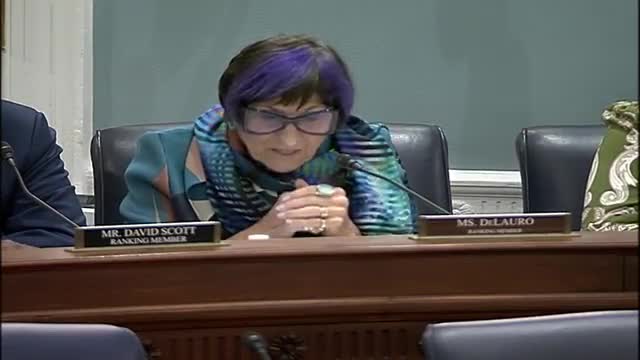
In a recent government meeting, officials discussed critical issues surrounding the Emergency Food Assistance Program (TFAP) and the challenges faced by tribal communities in accessing food supplies. The meeting highlighted the urgent need for improved communication and transparency from the U.S. Department of Agriculture (USDA) regarding food distribution, particularly in light of logistical failures that have left many vulnerable populations without adequate resources.
Chairman of the Agriculture Committee, Mr. Thompson, expressed frustration over the administration's lack of responsiveness during tribal consultations, which he argued has exacerbated hardships for communities reliant on food assistance. He emphasized the importance of ensuring that food reaches these communities without delay, criticizing the USDA for its failure to maintain public confidence and for incurring significant costs to rectify its mistakes.
Witnesses from various tribal organizations shared their experiences with the Food Distribution Program on Indian Reservations (FDPIR) and the Commodity Supplemental Food Program (CSFP). They reported that recent changes, including the introduction of local procurement options, have been beneficial but insufficient to meet the ongoing demand. One witness noted the successful integration of bison into their food offerings, which has been well-received, yet acknowledged that not all recipients are receiving the same variety of products, leading to dissatisfaction among some community members.
Concerns were raised about the adequacy of the Commodity Credit Corporation (CCC) funds, with several witnesses indicating that while the funds have provided some relief, they are not enough to cover all food supply challenges. One tribal leader mentioned that the funds received would last less than 60 days, prompting discussions about the need for additional financial support to sustain food programs.
The meeting underscored the federal government's trust responsibility to Native American communities and the necessity for ongoing dialogue to prevent future disruptions in food assistance. As the committee prepares to hear from USDA officials, there is a clear call for accountability and a commitment to ensuring that food security is prioritized for the most vulnerable populations.
Chairman of the Agriculture Committee, Mr. Thompson, expressed frustration over the administration's lack of responsiveness during tribal consultations, which he argued has exacerbated hardships for communities reliant on food assistance. He emphasized the importance of ensuring that food reaches these communities without delay, criticizing the USDA for its failure to maintain public confidence and for incurring significant costs to rectify its mistakes.
Witnesses from various tribal organizations shared their experiences with the Food Distribution Program on Indian Reservations (FDPIR) and the Commodity Supplemental Food Program (CSFP). They reported that recent changes, including the introduction of local procurement options, have been beneficial but insufficient to meet the ongoing demand. One witness noted the successful integration of bison into their food offerings, which has been well-received, yet acknowledged that not all recipients are receiving the same variety of products, leading to dissatisfaction among some community members.
Concerns were raised about the adequacy of the Commodity Credit Corporation (CCC) funds, with several witnesses indicating that while the funds have provided some relief, they are not enough to cover all food supply challenges. One tribal leader mentioned that the funds received would last less than 60 days, prompting discussions about the need for additional financial support to sustain food programs.
The meeting underscored the federal government's trust responsibility to Native American communities and the necessity for ongoing dialogue to prevent future disruptions in food assistance. As the committee prepares to hear from USDA officials, there is a clear call for accountability and a commitment to ensuring that food security is prioritized for the most vulnerable populations.
View the Full Meeting & All Its Details
This article offers just a summary. Unlock complete video, transcripts, and insights as a Founder Member.
✓
Watch full, unedited meeting videos
✓
Search every word spoken in unlimited transcripts
✓
AI summaries & real-time alerts (all government levels)
✓
Permanent access to expanding government content
30-day money-back guarantee
