Budget Cuts Spark Outcry Over Essential Community Services
September 10, 2024 | Fort Collins City, Larimer County, Colorado
This article was created by AI summarizing key points discussed. AI makes mistakes, so for full details and context, please refer to the video of the full meeting. Please report any errors so we can fix them. Report an error »
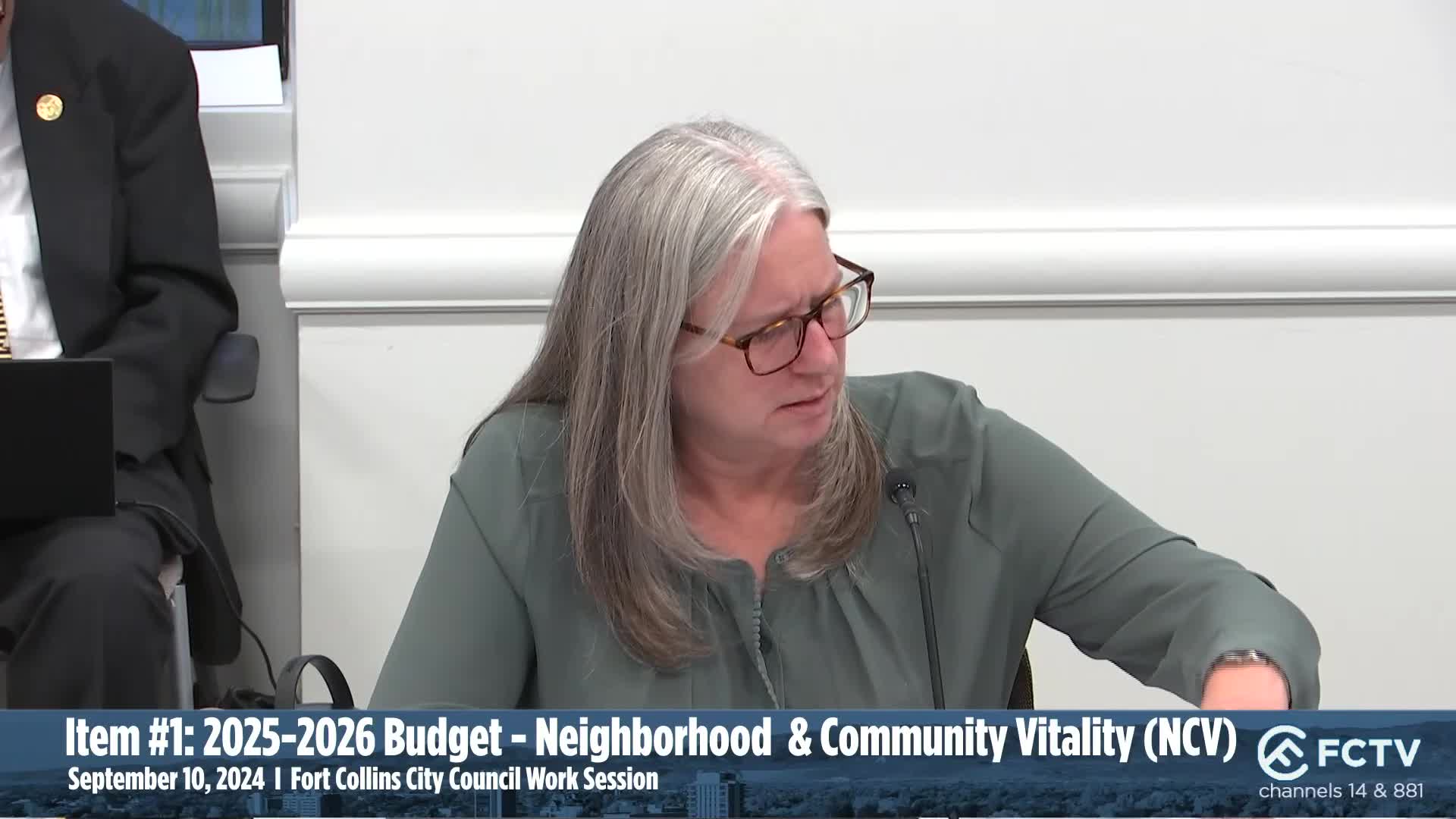
The conversation highlighted the importance of maintaining commitments made by previous councils to ensure that these funds are utilized effectively for the benefit of all residents, businesses, and schools. Officials clarified that while the pilot funds contribute to the general fund, they are specifically designated for digital equity initiatives.
Additionally, the meeting revealed concerns regarding the potential loss of critical support programs, such as the eviction legal fund and immigration legal fund. Council members expressed disappointment over the absence of funding for these programs, which have demonstrated significant positive impacts on the community. They emphasized the need for continued support to address systemic barriers faced by vulnerable populations, particularly in housing stability and legal assistance.
The discussion underscored a broader concern about the budget's implications for ongoing services, with several council members questioning whether previously assumed ongoing programs were adequately funded. As the council prepares for future meetings, there is a clear call for a reassessment of priorities to ensure that essential services remain intact and adequately supported.
View the Full Meeting & All Its Details
This article offers just a summary. Unlock complete video, transcripts, and insights as a Founder Member.
30-day money-back guarantee
Sponsors
Proudly supported by sponsors who keep Colorado articles free in 2026

