Council Faces Backlash Over Lack of Transparency in Local Regulations
September 04, 2024 | Fountain Hills, Maricopa County, Arizona
This article was created by AI summarizing key points discussed. AI makes mistakes, so for full details and context, please refer to the video of the full meeting. Please report any errors so we can fix them. Report an error »
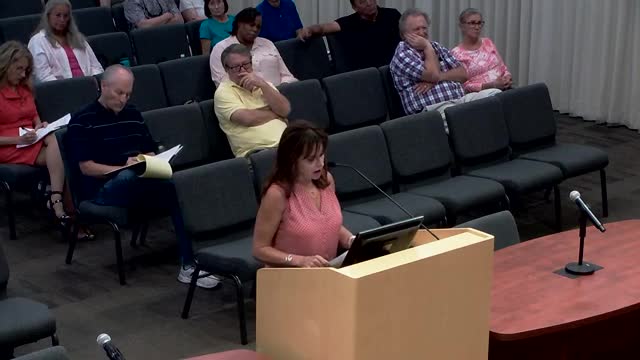
One resident emphasized the importance of transparency, criticizing the council for holding prior discussions in executive sessions that excluded public input. This lack of openness has led to confusion among residents, council members, and staff, particularly regarding the terminology used in discussions about local regulations. The resident argued that the council's attorney had withheld critical information, which hindered the community's ability to engage in meaningful dialogue about the proposed changes.
Concerns were also raised about the classification of sober houses as transitional community residences, highlighting a previous struggle to implement protective measures for neighborhoods. Residents recalled how they successfully navigated local regulations to impose restrictions on these facilities, challenging the notion that local entities cannot override state regulations. This precedent has fueled calls for similar local control over new proposals, particularly regarding the placement and regulation of telecommunications towers.
Larry Myers, another resident, echoed these sentiments, stressing the need for transparency in government dealings. He pointed out that the community had invested in expert consultations, yet critical information remained inaccessible to both residents and the PNZ. Myers warned that the introduction of telecommunications towers in residential areas could significantly diminish property values, estimating a potential decrease of 3% to 20%. He urged the council to reconsider its approach, advocating for a method that would allow residents to have a say in decisions that directly impact their property and community.
The meeting underscored a growing demand among residents for greater involvement in local governance and decision-making processes, particularly regarding issues that affect their health and property values. As discussions continue, the community remains focused on ensuring that their voices are heard and that local regulations reflect their needs and concerns.
View the Full Meeting & All Its Details
This article offers just a summary. Unlock complete video, transcripts, and insights as a Founder Member.
30-day money-back guarantee
Sponsors
Proudly supported by sponsors who keep Arizona articles free in 2026

