Housing Policy Debate Sparks Controversy Over Urban Development
August 06, 2024 | Everett, Snohomish County, Washington
This article was created by AI summarizing key points discussed. AI makes mistakes, so for full details and context, please refer to the video of the full meeting. Please report any errors so we can fix them. Report an error »
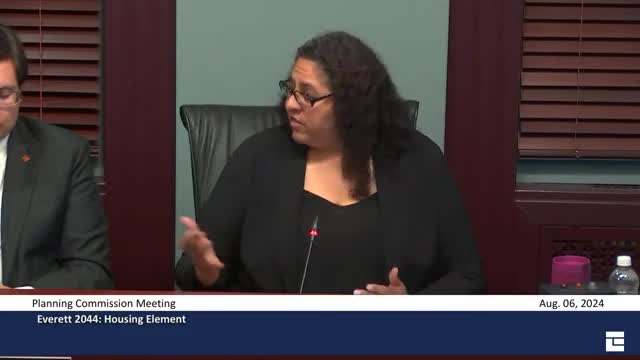
One official emphasized the importance of understanding where different groups prefer to live, suggesting that young professionals may prioritize proximity to coffee shops and bars over green spaces, while families might seek out areas with parks and recreational facilities. This led to a proposal for differentiated zoning guidelines that could cater to these distinct needs.
The dialogue also touched on the financial aspects of housing development, with officials acknowledging the tension between providing quality living conditions and the costs associated with such developments. The challenge of attracting investment while ensuring affordable housing options was a recurring theme, with one official referencing innovative housing solutions from other cities, such as compact living spaces that could significantly reduce rent for lower-income residents.
Additionally, the meeting addressed the allocation of funds collected from development fees, specifically regarding their use for neighborhood parks. Officials confirmed that these funds are earmarked for park development within a specified geographic area and must be utilized within five years, raising concerns about the feasibility of finding suitable projects in that timeframe.
The discussion also highlighted the potential for enhancing pedestrian connectivity as an alternative to on-site green spaces in urban environments. Officials considered whether ensuring easy access to parks through walkable pathways could serve as a viable substitute for residents living in denser downtown areas.
As the meeting concluded, officials recognized the need for flexibility in planning policies, balancing the requirements for open spaces with the realities of urban development. They noted that while some builders comply with open space regulations, others opt to pay fees in lieu, indicating a mixed response to current policies. The conversation underscored the ongoing challenge of aligning development practices with community needs and preferences in a rapidly changing urban landscape.
View the Full Meeting & All Its Details
This article offers just a summary. Unlock complete video, transcripts, and insights as a Founder Member.
30-day money-back guarantee
Sponsors
Proudly supported by sponsors who keep Washington articles free in 2026

