Citizens demand halt to controversial development plans
September 09, 2024 | Hernando County, Florida
This article was created by AI summarizing key points discussed. AI makes mistakes, so for full details and context, please refer to the video of the full meeting. Please report any errors so we can fix them. Report an error »
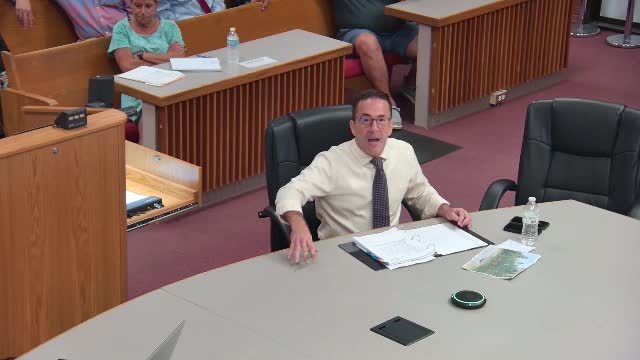
One resident expressed deep dissatisfaction with the government's handling of development, calling for a halt to new building projects until existing ordinances are clarified and enforced. She criticized the perceived inadequacies of the building department, claiming that mismanagement has led to a chaotic situation where responsibilities are passed around without resolution. The resident emphasized the need for a comprehensive understanding of the planning process, urging officials to simplify communication and ensure that community voices are heard.
Another speaker echoed these sentiments, stressing that the Board of County Commissioners (BOCC) holds the ultimate authority to enact change. They encouraged residents to continue attending meetings and voicing their concerns, as public engagement is crucial for influencing local governance. The speaker acknowledged the challenges faced by officials, noting that while they are not elected, they play a vital role in facilitating community dialogue.
The meeting underscored a growing tension between development initiatives and community needs, with residents demanding greater accountability and a more transparent planning process. As discussions continue, the call for a more engaged and informed citizenry remains a central theme in the ongoing dialogue about local governance and development.
View the Full Meeting & All Its Details
This article offers just a summary. Unlock complete video, transcripts, and insights as a Founder Member.
30-day money-back guarantee
Sponsors
Proudly supported by sponsors who keep Florida articles free in 2026

