Electric Bus Initiative Promises Major Savings for Schools
September 04, 2024 | Erie City SD, School Districts, Pennsylvania
This article was created by AI summarizing key points discussed. AI makes mistakes, so for full details and context, please refer to the video of the full meeting. Please report any errors so we can fix them. Report an error »
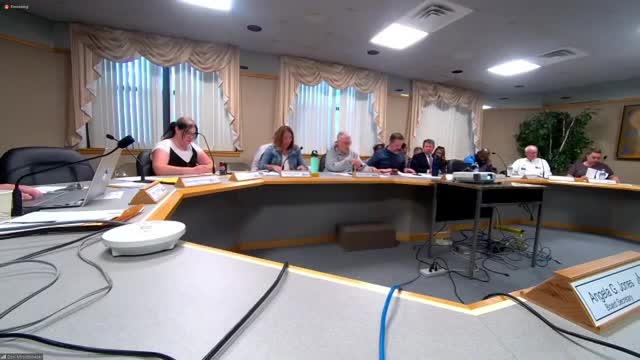
In a recent government meeting, representatives from Hyland presented a proposal for implementing an electric school bus project, aiming to assist local school districts in transitioning from diesel to electric vehicles. Emily Parrish, a senior manager at Hyland, outlined the complexities involved in electrifying a school bus fleet, including maintenance, charging logistics, and financing.
Hyland has managed over 600 electric buses across more than 30 school districts and has facilitated over $300 million in funding through the EPA's Clean School Bus Program. The proposal includes a 12-year contract that bundles capital and operational costs, covering everything from the buses and charging infrastructure to maintenance and electricity costs.
The presentation highlighted projected savings compared to continuing diesel operations, emphasizing budget certainty and reduced risk for the district. However, concerns were raised by board members regarding the long-term ownership of the buses, as Hyland would retain ownership throughout the contract, with an option for the district to purchase them at fair market value afterward.
Questions about the buses' performance in cold weather and the specifics of the charging stations were addressed, with assurances that the vehicles would meet operational needs even in winter conditions. The timeline for implementation is projected to be about 12 months, with a commitment needed by the end of November to secure the project.
Despite the potential benefits, some board members expressed skepticism about the proposal, questioning the necessity of outsourcing the project and suggesting that the district might be better off managing the transition independently. The discussion underscored the ongoing debate about the future of school transportation and the balance between innovation and local control. The board is expected to make a decision on the proposal in the coming weeks.
Hyland has managed over 600 electric buses across more than 30 school districts and has facilitated over $300 million in funding through the EPA's Clean School Bus Program. The proposal includes a 12-year contract that bundles capital and operational costs, covering everything from the buses and charging infrastructure to maintenance and electricity costs.
The presentation highlighted projected savings compared to continuing diesel operations, emphasizing budget certainty and reduced risk for the district. However, concerns were raised by board members regarding the long-term ownership of the buses, as Hyland would retain ownership throughout the contract, with an option for the district to purchase them at fair market value afterward.
Questions about the buses' performance in cold weather and the specifics of the charging stations were addressed, with assurances that the vehicles would meet operational needs even in winter conditions. The timeline for implementation is projected to be about 12 months, with a commitment needed by the end of November to secure the project.
Despite the potential benefits, some board members expressed skepticism about the proposal, questioning the necessity of outsourcing the project and suggesting that the district might be better off managing the transition independently. The discussion underscored the ongoing debate about the future of school transportation and the balance between innovation and local control. The board is expected to make a decision on the proposal in the coming weeks.
View the Full Meeting & All Its Details
This article offers just a summary. Unlock complete video, transcripts, and insights as a Founder Member.
✓
Watch full, unedited meeting videos
✓
Search every word spoken in unlimited transcripts
✓
AI summaries & real-time alerts (all government levels)
✓
Permanent access to expanding government content
30-day money-back guarantee
