Developer seeks approval for luxury equestrian project amid flood concerns
September 03, 2024 | Planning Commission Meetings, Hendersonville, Sumner County, Tennessee
This article was created by AI summarizing key points discussed. AI makes mistakes, so for full details and context, please refer to the video of the full meeting. Please report any errors so we can fix them. Report an error »
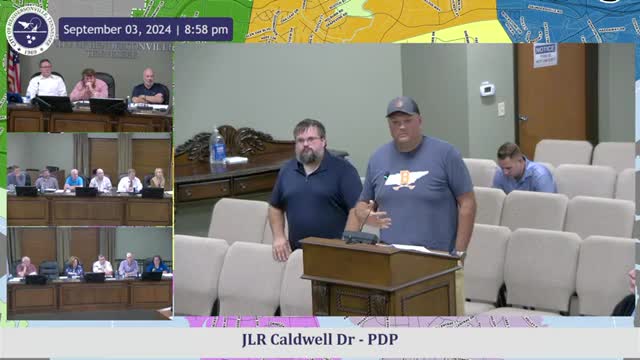
The developer clarified that no fill has been brought into the floodplain area, asserting that the land's topography limits development options. He expressed concerns that adhering to the current zoning would restrict the project to only ten homes, making it economically unviable. The developer's request is framed as a reduction in density, seeking to build less than one-third of the potential homes allowed under existing zoning regulations.
Commissioners raised concerns regarding the land disturbance, noting reports of numerous dump trucks delivering fill dirt to the site without a permit. The developer acknowledged that most work had been conducted under the premise of agricultural use, but questions remained about the legality of the fill operations. A representative from Greenlight, the consulting firm involved, stated that they were not responsible for the fill dirt placed prior to their engagement and confirmed that a flood study is underway to address community concerns.
The meeting highlighted the tension between development aspirations and regulatory compliance, with commissioners seeking assurance that the project would not exacerbate flooding issues or lead to unauthorized land use changes. The developer's commitment to working within the existing agricultural framework was reiterated, as he aims to balance development needs with environmental considerations.
View the Full Meeting & All Its Details
This article offers just a summary. Unlock complete video, transcripts, and insights as a Founder Member.
30-day money-back guarantee
Sponsors
Proudly supported by sponsors who keep Tennessee articles free in 2026

