City Commission Faces Controversy Over New Master Plan
September 03, 2024 | Traverse City, Grand Traverse County, Michigan
This article was created by AI summarizing key points discussed. AI makes mistakes, so for full details and context, please refer to the video of the full meeting. Please report any errors so we can fix them. Report an error »
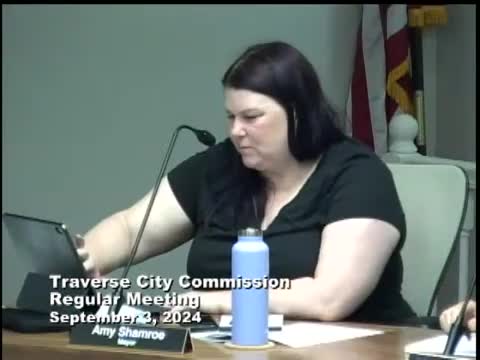
The city commission's role in the approval process was clarified, with Winter noting that while they could suggest changes, they lacked the authority to alter the plan directly. This led to a motion by Commissioner Stanley to repeal a previous resolution asserting the commission's right to approve or reject the master plan, a move that sparked significant debate among commissioners.
Commissioner Shaw expressed strong opposition to the proposed master plan, arguing that it undermines the planning commission's authority and fails to adequately address current land use principles. She criticized the plan for prioritizing future land use over existing zoning, suggesting it could lead to high-intensity commercial development without sufficient community input. Shaw emphasized the need for a master plan that reflects the community's vision and addresses pressing issues such as climate change and sustainable tourism.
Other commissioners voiced their concerns as well, with Commissioner Warner highlighting the plan's insufficient treatment of the climate crisis, despite the city's goal of achieving carbon neutrality by mid-century. The discussion underscored a divide among commissioners regarding the balance of power between elected officials and appointed planning bodies, with some advocating for a more hands-on approach to local governance.
Public comments further illuminated community sentiments, with resident Mary Mills urging the commission to heed residents' feedback and clarify how their input shaped the master plan. She called for transparency in the planning process and a clear vision for Traverse City's future.
As the commission deliberates, the fate of the master plan remains uncertain, reflecting broader tensions in urban planning between development goals and community needs. The outcome will not only shape the city's landscape but also set a precedent for future governance and public engagement in Traverse City.
Don't Miss a Word: See the Full Meeting!
Go beyond summaries. Unlock every video, transcript, and key insight with a Founder Membership.
30-day money-back guarantee
Sponsors
Proudly supported by sponsors who keep Michigan articles free in 2026

