Court System Faces Crisis as Attorneys Go Missing
September 04, 2024 | Bexar County, Texas
This article was created by AI summarizing key points discussed. AI makes mistakes, so for full details and context, please refer to the video of the full meeting. Please report any errors so we can fix them. Report an error »
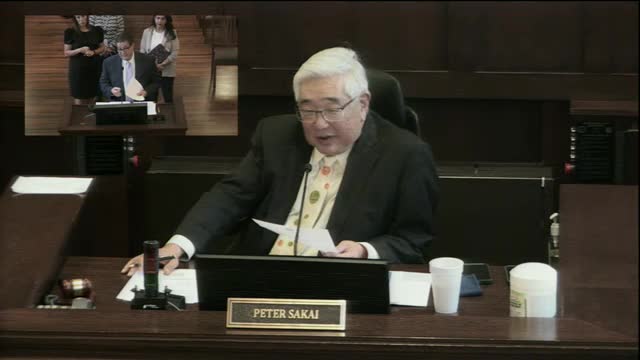
The judge acknowledged the problem, noting that approximately four attorneys fail to show up for each docket, leading to significant delays and complications in the judicial process. This absence not only hampers the court's ability to resolve cases but also places an undue burden on the system, as defendants arrive without legal representation. The judge proposed a potential solution where defendants could opt to work with a public defender if their assigned attorney is absent, aiming to streamline negotiations and bond discussions.
Further discussions highlighted the need for additional staffing within court administration, particularly the request for a new staff attorney position. The current staffing levels, which include three staff attorneys and three interns, have proven insufficient given the increasing complexity of cases and the rise in jury trials. The court administration argued that the additional attorney would help manage the growing responsibilities and improve the overall efficiency of the court system.
The meeting also touched on the necessity for new district courts, as identified by a recent report from the National Center for State Courts, which indicated a need for 2.7 new district courts to handle the increasing caseload. The discussions underscored the importance of addressing these systemic issues to enhance the effectiveness of the criminal justice system and ensure that defendants receive adequate legal representation.
As the meeting concluded, participants expressed a commitment to supporting the criminal justice system and acknowledged the need for ongoing collaboration to address these pressing challenges.
View the Full Meeting & All Its Details
This article offers just a summary. Unlock complete video, transcripts, and insights as a Founder Member.
30-day money-back guarantee
Sponsors
Proudly supported by sponsors who keep Texas articles free in 2026

