Cost Overruns Spark Call for Better Project Estimates
September 03, 2024 | City Council, Lakeway, Travis County, Texas
This article was created by AI summarizing key points discussed. AI makes mistakes, so for full details and context, please refer to the video of the full meeting. Please report any errors so we can fix them. Report an error »
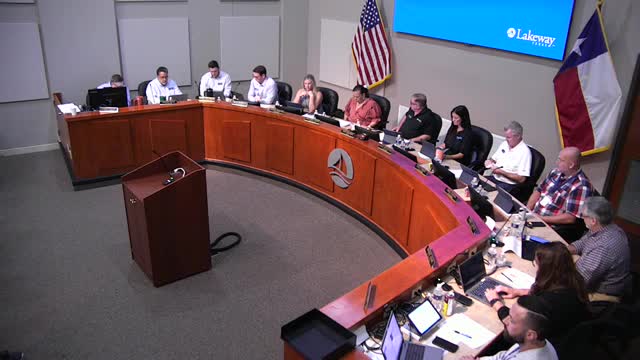
Key factors contributing to the cost escalation included the need for detailed utility mapping and the alignment of underground storm sewer conduits, which complicated the design of necessary light systems. The project also faced challenges due to the timing of utility realignments associated with a nearby development, necessitating additional costs for electric utility placement.
To address these issues and prevent similar occurrences in the future, officials emphasized the importance of strengthening relationships with utility providers for better mapping and information sharing. They also noted the introduction of a more specialized engineering rotation list to ensure that the most qualified engineers are assigned to specific projects.
The discussion concluded with the project being returned to the consent agenda, where it was unanimously approved by the governing body. This meeting highlights the ongoing challenges in infrastructure planning and the critical need for accurate cost estimation and project management to safeguard taxpayer interests.
View the Full Meeting & All Its Details
This article offers just a summary. Unlock complete video, transcripts, and insights as a Founder Member.
30-day money-back guarantee
Sponsors
Proudly supported by sponsors who keep Texas articles free in 2026

