Concerns Rise Over Rush to Resentence Convicted Criminals
September 05, 2024 | Judiciary C, Senate, Committees, Legislative, Louisiana
This article was created by AI summarizing key points discussed. AI makes mistakes, so for full details and context, please refer to the video of the full meeting. Please report any errors so we can fix them. Report an error »
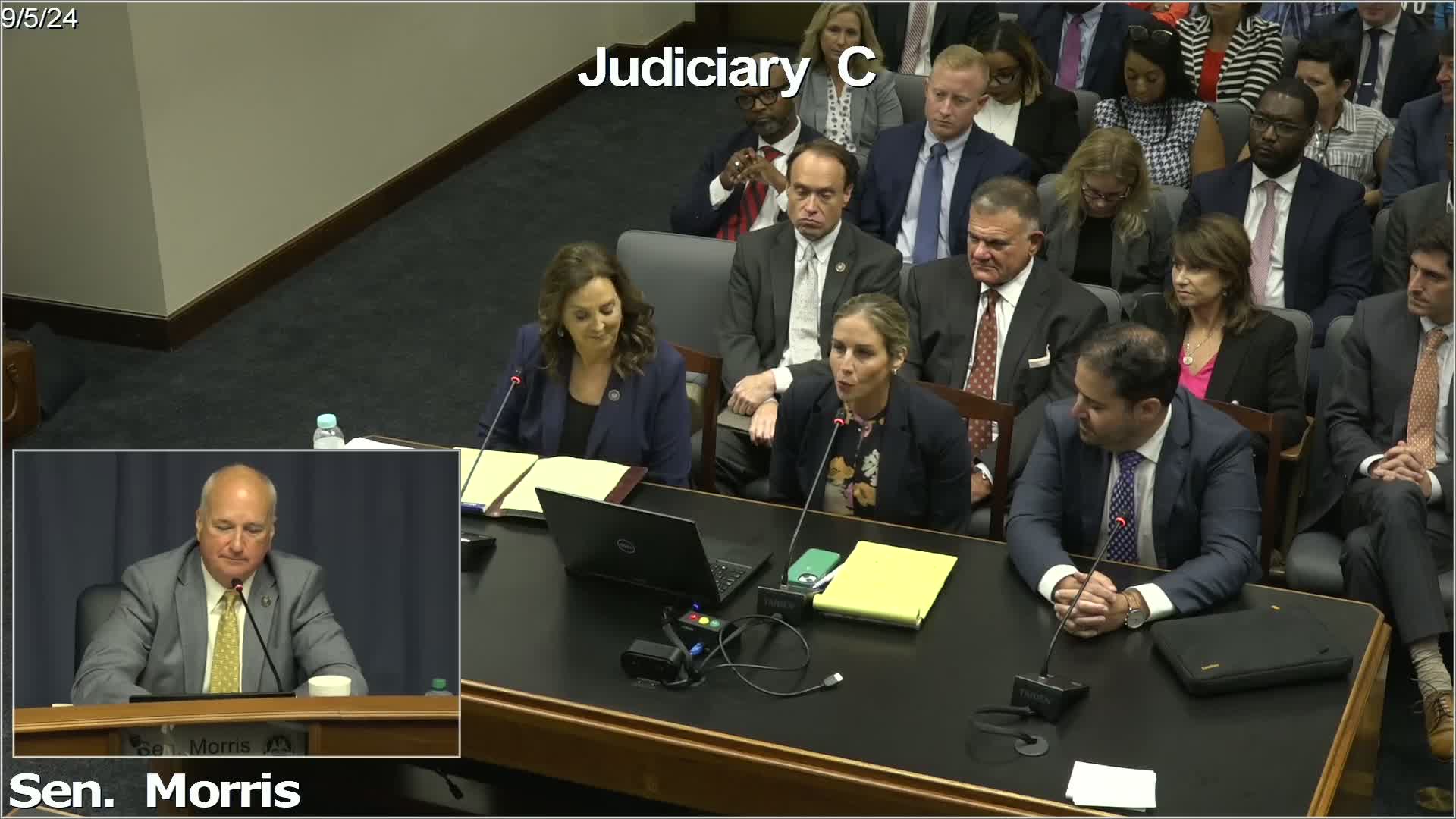
The meeting revealed that since the DA took office, approximately 30,350 individuals had been resentenced, with a notable increase in resentencing cases leading up to the legislation's deadline. In 2024 alone, 42 individuals were resentenced, with a significant spike in activity just weeks before the law changed. This raised alarms among officials regarding the potential for hasty decisions that could undermine the integrity of the judicial process.
A review of 35 to 40 cases indicated that in most instances, the state joined the defendants' requests for post-conviction relief, yet only one case involved an allegation of actual innocence. In all other cases, defendants were required to plead guilty to lesser charges, suggesting that the DA's office was not recognizing claims of innocence but rather facilitating plea agreements.
The meeting also highlighted two landmark Supreme Court decisions—Ramos and Cage—that established the requirement for unanimous jury verdicts and revised jury instructions on reasonable doubt, respectively. However, both decisions were deemed non-retroactive by the Louisiana Supreme Court, limiting their application to future cases.
Concerns were raised about the financial implications of these post-conviction releases, as civil litigation often follows the release of individuals who may re-offend. Officials noted that several released individuals had already committed new crimes, including violent offenses, raising public safety concerns.
The meeting concluded with a discussion on the habitual offender law, which allows for enhanced sentencing based on prior convictions. Officials emphasized that this legal tool is essential for distinguishing between first-time offenders and repeat offenders, countering claims that the law is discriminatory.
Overall, the discussions underscored the complexities and challenges facing the criminal justice system in Louisiana as it navigates the balance between reforming post-conviction processes and ensuring public safety.
Don't Miss a Word: See the Full Meeting!
Go beyond summaries. Unlock every video, transcript, and key insight with a Founder Membership.
30-day money-back guarantee
Sponsors
Proudly supported by sponsors who keep Louisiana articles free in 2026

