Media Control Crisis Threatens American Democracy
August 17, 2024 | Robert F. Kennedy Jr., Presidential Candidates 2024
This article was created by AI summarizing key points discussed. AI makes mistakes, so for full details and context, please refer to the video of the full meeting. Please report any errors so we can fix them. Report an error »
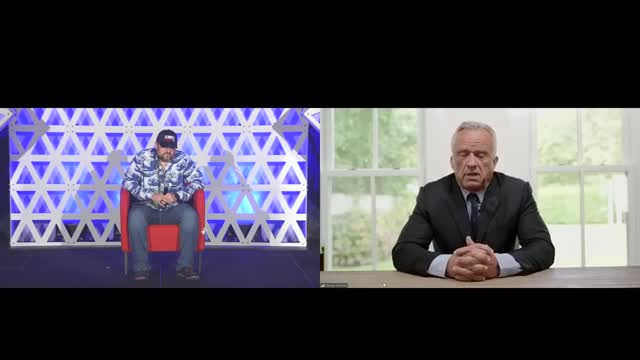
In a recent government meeting, officials discussed the historical evolution of media regulation in the United States, emphasizing the significant changes that have occurred since the Communications Act of 1928. The act was designed to prevent monopolistic control of media outlets, ensuring a diversity of voices and local control. This included the implementation of the Fairness Doctrine, which mandated that media outlets provide balanced coverage and allowed consumers to challenge unfair practices.
However, participants noted that these regulations were effectively dismantled in the early 1980s during the Reagan administration, leading to a shift where news divisions became profit-driven entities. This transition resulted in a concentration of media ownership, with just five corporations now controlling the majority of radio stations, newspapers, and television networks in the country. The discussion highlighted concerns that this consolidation has led to a narrow narrative controlled by a few, raising alarms about the implications for democracy and public discourse.
The meeting also touched on the current climate of misinformation, with some officials arguing that the government's response has been to censor dissenting voices under the guise of combating false information. They expressed concern that this approach could lead to government overreach in controlling the flow of information, ultimately stifling truth and critical discourse.
Participants underscored the importance of fostering a diverse media landscape and promoting critical thinking among the public as a remedy for misinformation, rather than resorting to censorship. They argued that an informed citizenry, equipped with the ability to discern truth from falsehood, is essential for a healthy democracy.
However, participants noted that these regulations were effectively dismantled in the early 1980s during the Reagan administration, leading to a shift where news divisions became profit-driven entities. This transition resulted in a concentration of media ownership, with just five corporations now controlling the majority of radio stations, newspapers, and television networks in the country. The discussion highlighted concerns that this consolidation has led to a narrow narrative controlled by a few, raising alarms about the implications for democracy and public discourse.
The meeting also touched on the current climate of misinformation, with some officials arguing that the government's response has been to censor dissenting voices under the guise of combating false information. They expressed concern that this approach could lead to government overreach in controlling the flow of information, ultimately stifling truth and critical discourse.
Participants underscored the importance of fostering a diverse media landscape and promoting critical thinking among the public as a remedy for misinformation, rather than resorting to censorship. They argued that an informed citizenry, equipped with the ability to discern truth from falsehood, is essential for a healthy democracy.
Don't Miss a Word: See the Full Meeting!
Go beyond summaries. Unlock every video, transcript, and key insight with a Founder Membership.
✓
Get instant access to full meeting videos
✓
Search and clip any phrase from complete transcripts
✓
Receive AI-powered summaries & custom alerts
✓
Enjoy lifetime, unrestricted access to government data
30-day money-back guarantee
