Get Full Government Meeting Transcripts, Videos, & Alerts Forever!
Get email alerts on the Planning Permits topic
No spam. Unsubscribe anytime.
Council adopts administrative site-plan changes; extends approval window to 12 months with six-month extension option
Summary
After extended debate, the American Fork City Council approved a code text amendment to allow limited administrative approvals for minor site-plan changes and set an initial permit duration of 12 months with a six-month extension, addressing concerns from developers and community groups about timelines and the requirement for plats before site-plan
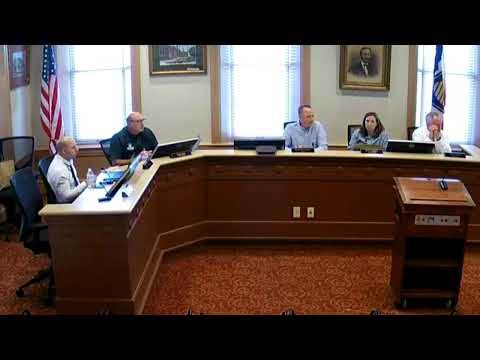
The American Fork City Council voted July 8 to adopt changes to the site-plan approval process that create an administrative track for limited, minor amendments and set the approval period at 12 months with an option for a six-month extension.
Staff presented the amendment as an effort to streamline routine change-of-use and small tenant improvements that now require the same full site-plan packet as larger projects. The adopted language establishes a narrowly defined list of changes that the Development Review Committee (DRC) may approve administratively for existing approved site plans, while preserving planning-commission review for larger or multi-issue proposals.
The council's action responds to concerns raised in public comment by Spencer Stevens of the Harrington Center for the Arts and other developers. Stevens and other speakers told the council they were worried the earlier draft required final plats before the city would accept a site plan when projects cross property lines, a step they said can impede infill and redevelopment. Staff explained the code previously was changed (about 18 months earlier) to require preliminary and final plat work before site-plan acceptance to reduce boundary disputes; staff also said typical planning practice is to address plat issues first so later site-plan work is based on recorded boundaries. The council and staff discussed the tension between developers who want concurrent review and the city's interest in avoiding boundary conflicts.
Council debated timelines at length. The draft before the council had shortened an existing two-year approval period (with a one-year extension) to a nine-month approval with no extension, which several council members and online participants objected to. During the meeting, Council member Carroll moved to adopt the ordinance with a change to make the initial approval 12 months with a six-month extension and to designate the original approving body (planning commission or other land-use authority) as the body that would consider any extensions. The motion passed by unanimous voice vote among members present.
Staff clarified how the administrative track will work: applicants seeking a minor change will still submit a site plan, but the packet can be reduced to only the pages relevant to the change (for example, a single-page site plan and limited documents for a change of use that does not alter grading, drainage or landscaping). The DRC would evaluate whether a request meets the administrative criteria and whether the number of changes crosses a threshold requiring planning-commission review (staff flagged a limit such as additions totaling less than 10% of an originally approved building footprint as an example threshold). Staff also said a separate code section will outline extension procedures in more detail and that a temporary extension provision could be added while the broader code rewrite is completed.
The council instructed the city recorder to withhold publication until planning-commission conditions referenced in the record are met. Council members asked staff to improve clarity in the ordinance text so applicants can tell whether their request qualifies for administrative review, and staff indicated they will reorganize the code text to separate the administrative process from the main site-plan approval section for readability.