Get Full Government Meeting Transcripts, Videos, & Alerts Forever!
Get email alerts on the Roads Infrastructure Filo topic
No spam. Unsubscribe anytime.
County council discusses redirecting infrastructure bank funds to boost roads, prompting school funding concerns
Summary
Greenville County Council members debated holding a larger share of infrastructure (FILO) revenue for road maintenance, proposing to retain 31% (up from 31% currently) to fund a $40 million road program. Council members raised concerns about the effect on municipalities and the school district and agreed staff will quantify jurisdictional impacts.
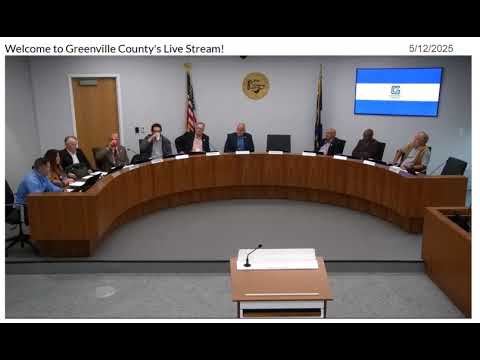
Greenville County Council members on a budget-workshop day debated proposals to retain a larger share of infrastructure (FILO) revenue for an expanded road program, prompting concerns from council members that the change could reduce funding for municipalities and the school district.
Council members said the administration’s proposed budget would increase road maintenance funding toward a roughly $40 million program. County Administrator Cornell told council members the FILO/infrastructure-bank transfers are currently split so that taxing jurisdictions receive the majority of that revenue; the proposal would increase the county’s retained share to direct more money to roads. "We retain 31% of the FILO revenue; we're proposing increasing that to a larger share so we can do something meaningful for roads," Administrator Cornell said.
The discussion grew contentious when members and several speakers warned that withholding more FILO dollars could force municipalities or the Greenville County School District to raise millage or cut programs. Dr. Vance Fant, a council member, asked that the administration spell out the impact on municipalities and the school district before changes are finalized: "Before we get too far, it needs to be spelled out specifically to the municipalities and the school district," he said.
Nut graf: The council did not vote; members agreed to ask staff to run jurisdiction-by-jurisdiction impact reports before any formal change. The reports are intended to show how shifting FILO distributions could affect cities, the school district and other taxing entities so council can weigh road-priority goals against potential downstream budget impacts.
Council members described the county's road program as underfunded and said a sustained annual program of about $40 million would materially increase paving, drainage and traffic-calming work. Administrator Cornell explained how fund accounting inflates the headline budget total and why the infrastructure bank and special revenue funds make the proposed two-year totals appear larger when transfers are counted: "Because they're accounted for in individual funds, when you move money between funds as transfers you see the revenue and expense both—those transfers can make totals look larger," Cornell said.
Supporters said the extra funding could be combined with state matching (C-funds) and improve purchasing power for local paving contracts. One council member encouraged colleagues to press state legislators for additional road money; Cornell confirmed proposed state infrastructure increases contributed to the higher road figures in the draft budget. "We got more money from the state this year that went toward roads," the administrator said, noting the county is running reports to calculate each taxing jurisdiction's net effect.
Opponents and cautious members urged a staged approach, saying the school district in particular relies on predictable transfers and that the administration should present alternatives. Councilor Rousseau said shifting distributions may not change the overall financial picture much month-to-month but agreed staff should prepare the impact analysis.
Ending: Council members did not take formal action in the workshop. They directed staff to prepare jurisdiction-level impact numbers and to return with options and clearer revenue scenarios at a subsequent workshop so council can consider whether to change FILO distributions and how to phase any change to reduce budget shocks to other taxing bodies.