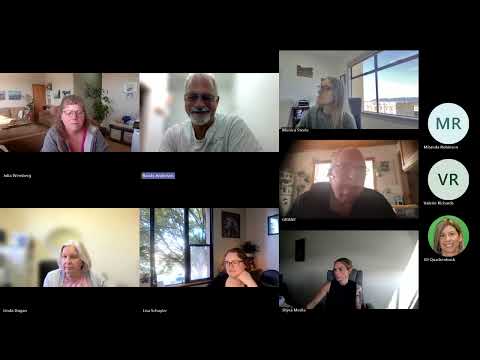
HSAC members challenge CareOregon data after policy change leaves private clinicians unpaid
Loading...
Summary
The Human Services Advisory Council discussed a recent CareOregon policy change that staff said will reduce Medicaid reimbursement to some private-practice behavioral health clinicians and could shift clients to community mental health providers.
The Human Services Advisory Council discussed a recent CareOregon policy change that staff members said will reduce Medicaid reimbursement to some private-practice behavioral health clinicians and could shift clients to community mental health providers. Monica, County staff, told the council that the presentation on Sept. 17 had been forwarded to the Columbia Pacific CCO and that "the letter has been sent to, the CPCCO, just so that way the CPCCO has heard, based on what the board wanted to, submit, and and your feedback, they have sent that on."
The change matters locally because several private-practice clinicians told the council they have already lost Medicaid clients or cannot bill OHP for services. Julia, private practitioner, said, "It affected for me personally, 5 and for Amber, many more than that." Several members said the number cited in the presentation—"11 children" in Clatsop County—appeared inconsistent with clinicians' caseloads. The group requested clearer source data and discussion with the carriers.
County staff and representatives urged the council to request clarification from CareOregon or the CCO. Monica said staff would ask whether a CareOregon or CPCCO representative could present or, at minimum, provide a written answer to the council's questions about how the affected counts were calculated. "We can ask, but we can't," Monica said when asked whether staff could compel a presentation; she added staff would follow up on who to contact.
Columbia Behavioral Health representatives told the council that community mental health programs will absorb some patients but do not receive additional funding from CareOregon to cover extra clients. Shaira, CBH representative, explained the broader funding context: "All of the CCOs across the state, at least 95% of them are underwater currently," and that utilization patterns that changed during the COVID-19 period have since reversed, straining reserves. Shaira also said CBH is capitated and "they cannot bill more. They receive an allocation from the CCO that is the amount whether they have more clients because of this or not."
Council members discussed options for documenting local impacts, including assembling a local clinician count to compare with CCO claims data. Staff advised that CPCCO (the CCO) holds the claims/enrollment data and is the most direct source of the affected-count figure. Several clinicians offered to share their caseload counts with the council so staff could compile a local total to present to the CCO.
No formal vote was taken on the matter during the meeting. Council members asked staff to identify the appropriate CCO contact and request either a presentation or written clarification of the methodology behind the counts shown in the Sept. 17 presentation.
Why this matters: Council members said the policy change affects client access and clinic finances, and they plan to press for clearer data from CareOregon/CPCCO so local impact can be measured and communicated to county leadership and the board.