Lancaster presents 2026 draft budget with no proposed tax or fee increases
Loading...
Summary
Director Campbell presented the city's 2026 draft budget, stressing no proposed increases to real estate, earned income or in-city utility fees, while outlining pressures from ending ARPA funds, rising medical and pension costs, and enterprise fund items to be discussed in November.
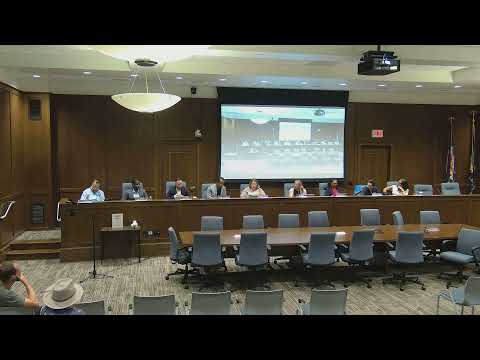
Director Campbell, the city's finance director, presented the Lancaster 2026 draft budget to the Finance Committee, saying the administration is not proposing increases to real estate tax, earned income tax or utility fees for in-city customers. "This is a draft. Nothing is set in stone," Director Campbell said, and she urged public review when the draft posts online. The nut graf: The presentation framed a largely balanced operating plan while noting financial pressure from the end of American Rescue Plan Act (ARPA) support, rising medical and pension costs, and planned capital debt service. Director Campbell said ARPA funding has ended, reducing 2026 revenue by $2.4 million and that the total budget across all funds is about $160 million, roughly a 1% increase from 2025. Campbell reviewed major revenue drivers: property taxes remain the largest single source (about 42% of general fund revenue), earned income tax about 21%, fees and fines about 17%, and a $1 million planned use of reserves to smooth the ARPA cliff. She emphasized the city's decision to include a full year of earned income tax revenue at the current rate in 2026 projections, which contributes to year-over-year revenue growth. "We're not proposing any increases in taxes or fees for city residents this year," Campbell said. On expenses, Campbell said public safety (police and fire) remains the largest category at about 54% of the general fund and that pensions, medical and debt (the "supporting services" category) are major cost drivers. The general fund includes 10.5 positions newly budgeted as vacancies are filled or restored; the mayor reinstated a chief of staff position. The director said medical costs are projected to rise and the city is self-insured, which has moderated increases but still requires active management. Councilors asked about the 2024 financial statement audit (Director Campbell said it was delayed but expected in October) and about long-term cost containment. Campbell said the administration is launching a large review of health insurance costs and is pursuing technology investments for operational efficiency. On the previously discussed earned income tax exemption targeted at low-income residents, Campbell said the current draft budget does not assume any revenue loss from an exemption and that council should provide guidance; additional discussion on funding the critical repair program and exemptions is expected in November or December. The administration provided a timetable for adoption: department hearings Oct. 21 and Nov. 18, first reading of the budget and real estate tax ordinances Nov. 25, and second reading Dec. 9. The Finance Committee moved Administration Bill 11 and Administration Bill 12 to first reading on Nov. 25 by motion and voice vote. Ending: The city will post the draft budget on the city website and Engage Lancaster for public comment; detailed departmental hearings are scheduled in October and November before formal readings and adoption in late November and December.