Districts report improved staffing rates but caution over EC teacher assistants and special-education vacancies
Loading...
Summary
Both school systems said overall certified staffing rates are high (one district cited 98%+), but districts flagged hard-to-fill positions — early childhood, EC teacher assistants and certain secondary math postings — and described tactics like stipends, retired-teacher recruitment and lead-teacher models to cover vacancies.
School leaders told county commissioners they have largely filled certified positions for the opening of the school year but continue to contend with hard-to-fill roles in special education, early-childhood classrooms and certain secondary subjects.
Orange County Schools Deputy Superintendent Ashana Harris reported the district was ‘‘98% staff’’ across certified and classified positions as of the start of school and said retention remains a top priority. ‘‘Retention is the new recruitment,’’ Harris said.
Districts singled out specific gaps and responses: EC positions (special-education certified) were reported at roughly 93% filled in one district; pre-K was 98% staffed in another district’s count. Teacher assistants have 12 reported vacancies in one district; presenters said teacher assistants must hold roughly 42–48 hours of college credit and that pay levels for classified staff create recruitment challenges.
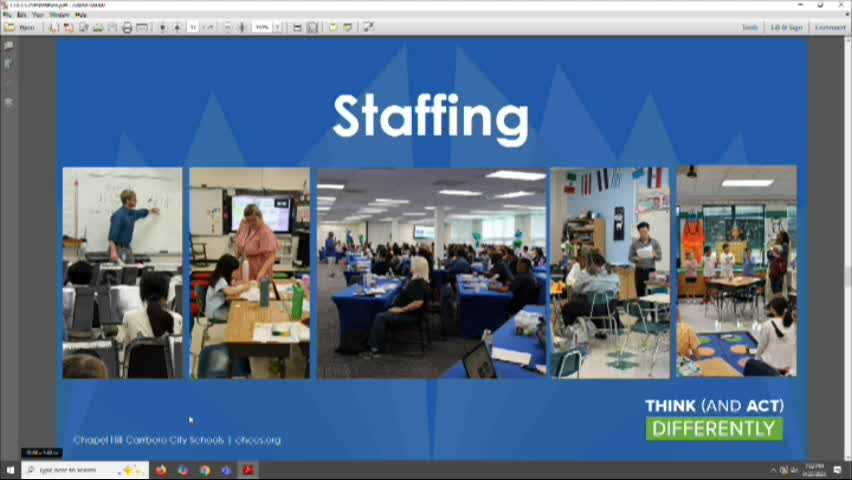
Substitute and lead-teacher strategies: Chapel Hill officials described using long-term substitutes, retired-teacher recruitment letters and an EC lead position to support substitutes with IEP-related paperwork. The district said lead teachers receive stipends to take on casework and paperwork duties while substitutes deliver instruction.
Transportation staffing: Districts reported no current systemic bus-driver shortage. Orange County said its transportation office — including directors and office staff — regularly drives buses when necessary and that contingency plans are in place.
Nursing, discipline and absenteeism: Commissioners requested future coordination on nurse allocation models, chronic absenteeism, and discipline data and discussed whether different campuses require different nurse staffing allocations.
What was not decided: No county-level staffing funding changes were approved at the meeting. Districts asked for continued collaboration on recruitment and possible joint strategies such as housing assistance for teachers.
Ending: Districts requested more collaboration on shared goals (mental health, absenteeism, nurse allocation, teacher housing) and said they will return with data and proposals for joint work with the county.