Get Full Government Meeting Transcripts, Videos, & Alerts Forever!
Get email alerts on the Land Use Parking topic
No spam. Unsubscribe anytime.
Committee removes parking minimums for bars and nightclubs; members cite safety, neighbors raise spillover concerns
Summary
The Planning and Zoning Committee approved BO 2025‑837 to eliminate minimum parking requirements for bars and nightclubs, a change sponsors said reduces costs and supports urban policy; opponents cited neighborhood spillover and limited rideshare availability. Committee corrected the roll‑call to 6‑1‑1.
The Planning and Zoning Committee voted to approve BO 2025‑837, an ordinance that removes minimum parking requirements for bar and nightclub uses in the zoning code (Section 17.200.03). Sponsor Council member Huffman said eliminating the mandate reduces development costs, increases flexibility and aligns with urban planning goals; he emphasized the ordinance does not prohibit parking, it only removes the minimum requirement.
Supporters, including Council member Horton, framed the change as both urbanist policy and a public‑safety measure that discourages additional driving to nightlife venues. Horton said reducing parking mandates can help reduce drunk‑driving risks by making rideshare and walking more feasible options.
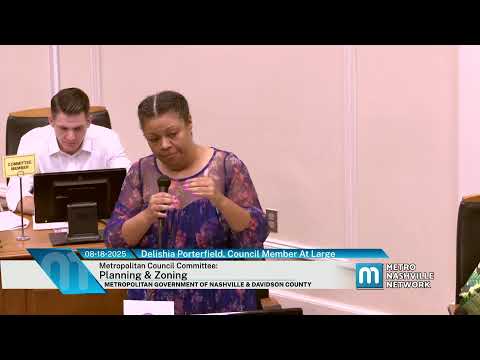
Opponents and cautious members raised neighborhood concerns. Council member Katoons said rideshare and transit use is less prevalent in parts of the city and that patrons often park in nearby residential streets; Council member Allen urged the council to consider protections for neighborhoods — such as residential permit parking or other mitigation — if parking minimums are removed. Council member Porterfield suggested businesses could work with rideshare firms or provide incentives to reduce neighborhood parking spillover.
Committee action and vote: The committee approved the ordinance; the chair later corrected the committee roll‑call for the item to 6‑1‑1 (six yes, one no, one abstention) in the minutes correction noted at the end of the meeting packet.
Ending: The ordinance advances municipal policy that removes a regulatory parking mandate for these commercial uses; committee discussion flagged the need for neighborhood protections and follow‑on conversations about permit parking and transit access where rideshare or transit is less available.