Get Full Government Meeting Transcripts, Videos, & Alerts Forever!
Get email alerts on the Cyber Charter Funding topic
No spam. Unsubscribe anytime.
Tunkhannock board approves one‑year $2,000 incentive for some cyber‑charter students to return
Summary
The school board approved a one‑time, year‑long financial incentive program offering $2,000 per returning cyber‑charter student as part of a broader effort to reduce district payments to out‑of‑district cyber schools.
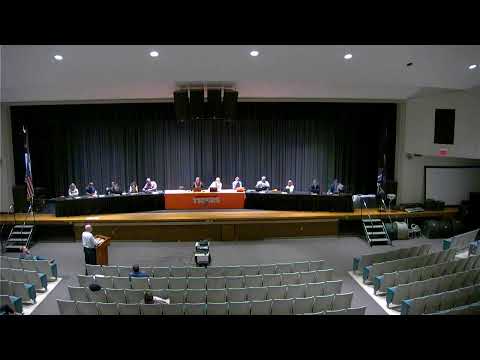
The Tunkhannock Area School District Board of Directors voted to approve a one‑time $2,000 grant program aimed at encouraging current cyber‑charter students to return to in‑person or district‑run cyber instruction for the remainder of the school year. The board approved the measure by roll call and directed staff to implement the outreach and report back at the November meeting.
Board members said the measure is intended to reduce the district’s high per‑pupil cyber‑charter payments and to draw public attention to statewide cyber‑charter funding practices. Under the program, families who reenroll a qualifying student for the full school year would receive $2,000; the district described an intended payment schedule of $500 per quarter to reduce the net loss families face when leaving services the cyber providers currently supply.
Why it matters: The district pays roughly $18,500 per regular education cyber‑charter student and about $41,000 for a special education cyber‑charter placement, figures cited during the meeting. Board members and staff said even a small number of students returning would produce net savings because the district’s per‑pupil cost for in‑district service is considerably lower. Officials also described county and state enforcement gaps they say allow some cyber providers to bill the district for students who no longer reside in Pennsylvania.
Details of the program and caveats: The board approved the program as a one‑year, limited‑time offer. Staff said eligible students must have been enrolled with a cyber charter for a minimum period (the draft language discussed referenced at least one calendar year) and that the full payment would require a full‑year return. The district plans to pair the financial incentive with door‑to‑door outreach and tours the district has used previously to recruit returning students.
Board discussion and concerns: Several board members expressed unease about offering direct payments to families, calling it an imperfect workaround to state funding rules and noting potential community reaction from families already enrolled full time in district schools. Supporters argued the cost is modest compared with the potential savings: the district estimated saving about $16,500 per regular education student and roughly $39,000 per special education student who returns for the year.
Next steps: The board authorized staff to implement outreach and return with a status update at the November meeting. Members said the program could be halted if the state enacts cyber‑charter funding reforms or if early implementation indicates problems.